Introduction
The best slow cooker alternative in a U.S. kitchen is usually a covered Dutch oven in a low oven. It gives food the same gentle, moist heat that makes slow-cooker meals tender. A heavy pot on the stovetop, pressure cooker, or electric multicooker can also work, but each changes the cooking time and method.
Choose your substitute based on the dish:
- Dutch oven: Best overall substitute for stews, roasts, chili, and pulled meat.
- Stovetop pot: Best when you can stir and check the food.
- Pressure cooker: Best when you need the meal done fast.
- Covered casserole dish: Useful for oven-baked slow-cooker recipes.
- Rice cooker: Suitable only for small, simple dishes if the manual allows it.
A slow cooker does not just cook at a low temperature. It also traps moisture and heats food for many hours. A good substitute must replace those same functions without drying the food or creating a food-safety risk.

What Is the Best Alternative to a Slow Cooker?
A Dutch oven or other heavy, oven-safe pot with a tight lid is the closest slow cooker alternative for most recipes. Cook the food in a conventional oven at about 275°F to 325°F, depending on the recipe, the cut of meat, and the cooking time.
A Dutch oven works well because:
- Its heavy walls hold heat.
- Its lid keeps steam inside.
- The oven provides steady, even heat.
- The food can brown in the same pot before braising.
Use a lower oven temperature for a longer cook. Use a higher temperature when you need the meal sooner. The food should usually reach a gentle simmer, not a hard boil.
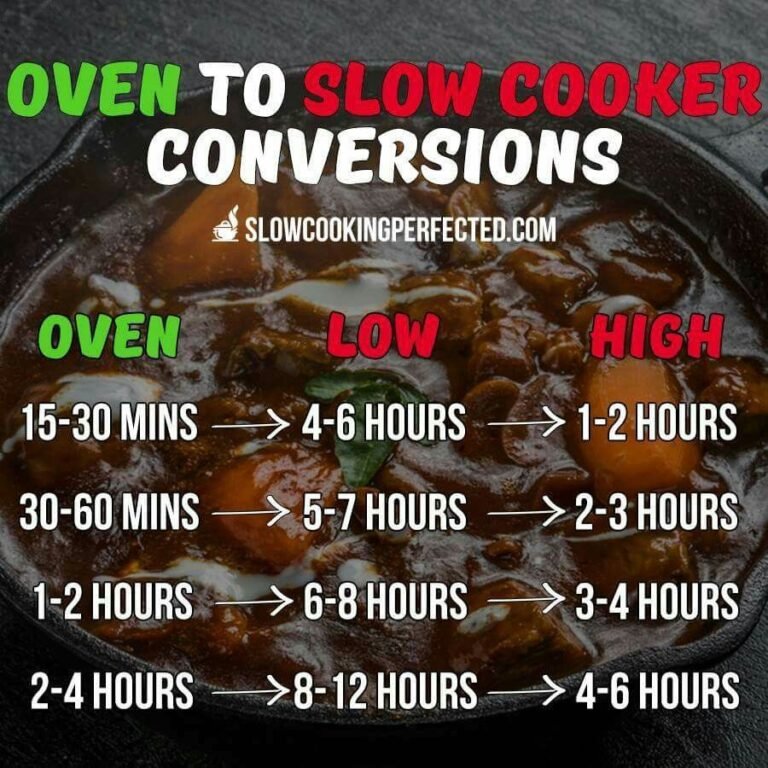
Quick conversion guide
Slow-cooker times are only rough guides. The exact time depends on the food, pot size, amount, and starting temperature.
| Slow-cooker setting | Approximate oven method | General timing |
|---|---|---|
| Low for 6–8 hours | Covered at 275°F–300°F | About 2½–4 hours |
| High for 3–4 hours | Covered at 325°F | About 1½–3 hours |
| Low for 8–10 hours | Covered at 250°F–275°F | About 4–6 hours |
These times are starting points, not guarantees. Meat is ready when it is tender and reaches a safe internal temperature. Tough cuts may need more time even after they are technically safe to eat.
Do not place a removable slow-cooker insert in the oven unless the manufacturer clearly says it is oven-safe. Some ceramic inserts can crack from direct or sudden heat.

Best Slow Cooker Substitutes at a Glance
The right alternative depends on whether you value similar texture, speed, hands-off cooking, or easy cleanup.
| Alternative | Best for | Main benefit | Main limitation |
|---|---|---|---|
| Dutch oven | Stews, roasts, chili, braises | Closest texture and flavor | Needs oven time and monitoring |
| Heavy stockpot | Soups, beans, stews | Affordable and easy to use | More evaporation |
| Stovetop braising pan | Small meals and quick checks | Easy to control | Can scorch if heat is too high |
| Pressure cooker | Fast meat, beans, and stews | Much shorter cooking time | Texture and liquid needs change |
| Covered casserole dish | Oven recipes and baked meals | Simple oven setup | Less flexible for browning |
| Rice cooker | Small portions and soft foods | Convenient for limited tasks | Many models are not designed for meat or long cooking |
| Oven roasting pan with lid | Large roasts and family meals | Holds large quantities | May not seal as tightly |
A heavy pot with a tight lid is usually better than a thin pot. Thin cookware loses heat quickly and may create hot spots. If the lid does not fit well, cover the pot tightly with foil before adding the lid, but keep the foil away from heating elements.

How to Convert a Slow Cooker Recipe for a Dutch Oven
Follow these steps when replacing a slow cooker with a covered oven pot.
1. Brown the meat first
Heat a small amount of oil in the Dutch oven. Brown the meat in batches, then remove it.
Browning is not required for safety, but it adds flavor. It also gives the finished dish a deeper color. Do not crowd the pot, or the meat may steam instead of brown.
2. Cook the onions and firm vegetables
Add onions, carrots, or celery to the pot. Cook them for a few minutes. Add garlic near the end so it does not burn.
This step is optional, but it helps build flavor before the liquid goes in.
3. Add liquid, but use less than the original recipe
A slow cooker loses little water during cooking. An uncovered or loosely covered pot loses much more.
For a covered Dutch oven, start with about 75% to 100% of the liquid in the slow-cooker recipe. If the dish looks dry during cooking, add hot broth or water.
Do not fill the pot to the top. Leave space for bubbling and stirring.
4. Bring the liquid to a gentle simmer
Place the pot on the stove and bring the liquid just to a simmer. This helps the oven cook the food more evenly.
A hard boil can make meat tough and break delicate vegetables apart.
5. Cover the pot and move it to the oven
Cook at 275°F to 325°F. Keep the lid on as much as possible. Each time you open the oven, heat and moisture escape.
Check the food after the shortest estimated cooking time. Stir if needed, and test the meat with a fork.
6. Add quick-cooking ingredients later
Potatoes, carrots, and onions can often cook for the full time. Green beans, peas, leafy greens, dairy, and fresh herbs may need to go in near the end.
Adding them late helps prevent mushy vegetables and curdled dairy.
Signs of success
The dish is ready when:
- Meat is tender when pierced with a fork.
- The sauce has the texture you want.
- Vegetables are soft but not falling apart.
- The food is steaming hot throughout.
- A food thermometer confirms that meat and poultry reached a safe temperature.
The USDA advises using a food thermometer and following safe handling practices for slow-cooked foods. For exact minimum temperatures, check the USDA’s safe minimum internal temperature chart.

Using a Stovetop Pot Instead of a Slow Cooker
A heavy stockpot or Dutch oven can replace a slow cooker on the stovetop. The key is to maintain a low simmer.
This method works well for:
- Beef stew
- Chicken soup
- Chili
- Lentils
- Beans
- Pulled pork
- Tomato-based sauces
Add the ingredients and enough liquid to prevent sticking. Cover the pot and cook over low heat. Stir every 20 to 30 minutes at first. Once you know the heat level, check less often, but do not leave the pot unattended for many hours.
How to prevent scorching
Use the smallest burner that can maintain a gentle simmer. If the bottom begins to stick:
- Move the pot off the heat.
- Do not scrape burnt food into the sauce.
- Transfer the unburned food to a clean pot.
- Add a little hot liquid.
- Continue cooking at a lower temperature.
A stovetop pot usually needs more attention than a slow cooker. It may also need more liquid because steam escapes around the lid.
A heat diffuser can help spread heat under a thin pot. It cannot correct an unsafe or unattended cooking setup, so check the food as needed.
Can a Pressure Cooker Replace a Slow Cooker?
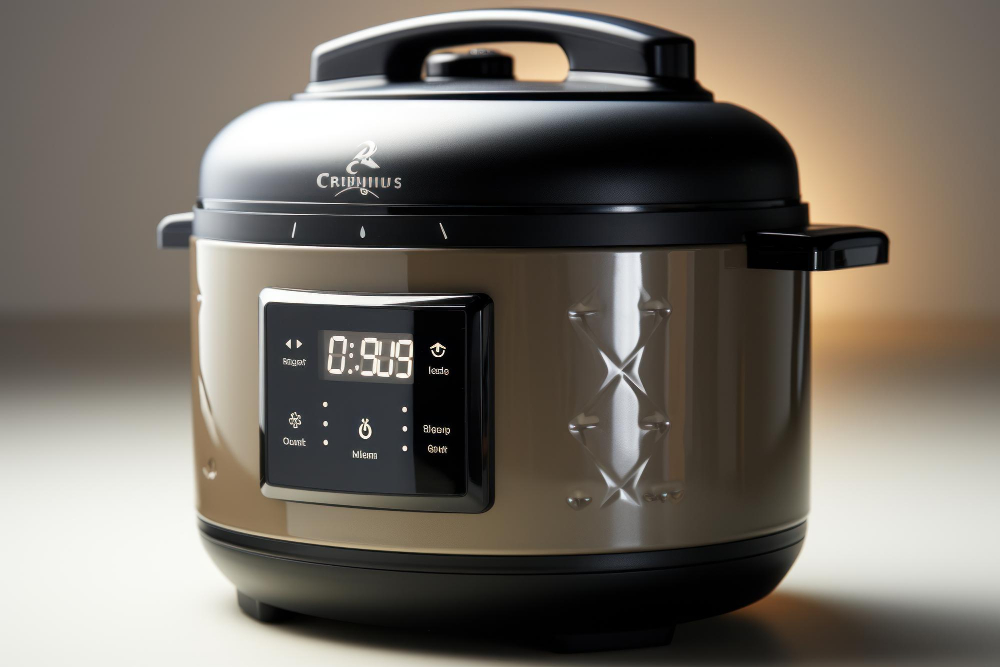
A pressure cooker or electric multicooker can replace a slow cooker when speed matters, but it is not a direct time-for-time substitute. Pressure cooking uses steam trapped under pressure. It cooks food much faster and can produce tender meat in a fraction of the time.
Use a pressure cooker for:
- Beef chuck
- Pork shoulder
- Dried beans
- Chicken thighs
- Stews
- Soups
- Braised vegetables
Follow the pressure cooker manufacturer’s rules for minimum liquid, maximum fill, release method, and food type. These rules vary by model.
Basic pressure-cooker conversion
A typical starting point is:
- Cut stew meat into similar-sized pieces.
- Use the cooker’s required minimum liquid.
- Pressure-cook until tender.
- Allow natural release for dense foods such as meat and beans when the recipe supports it.
- Thicken the sauce after pressure cooking.
Do not assume a slow-cooker recipe has enough liquid for pressure cooking. A pressure cooker needs liquid to create steam. It also may not reduce the sauce during cooking, so the finished dish can be thinner.
Add dairy, flour, cornstarch slurry, and delicate vegetables after pressure cooking when possible. Dairy can scorch or separate, while thickeners may interfere with circulation.
A pressure cooker is a poor choice when you need the meal to hold at a serving temperature for hours or when the recipe depends on gradual evaporation.

Can You Use a Regular Pot in the Oven?
Yes, if the pot and lid are rated for oven use at the required temperature. A stainless-steel or cast-iron pot often works well. Check the handles, lid knob, and coating, because one part may have a lower heat limit than the pot itself.
If the pot has no oven-safe lid, cover it tightly with foil. Use oven mitts, and remember that the lid and handles become very hot.
A covered casserole dish can also work. It is useful for:
- Chicken and rice
- Baked beans
- Vegetable casseroles
- Small roasts
- Baked pasta
- Braised chicken
A casserole dish may cook more quickly than a deep Dutch oven because its food layer is shallower. Start checking early.
Do not use a glass baking dish under a broiler unless the manufacturer specifically approves it. Sudden temperature changes can break some glass cookware.

Slow Cooker Alternatives for Specific Foods
Different foods need different substitutes. A method that works for beef stew may not work for rice or delicate fish.
Beef stew
Use a Dutch oven at 300°F to 325°F. Brown the beef first. Add broth, vegetables, and seasonings. Cover and cook until the beef is fork-tender.
For a thicker sauce, remove the lid for the final 15 to 30 minutes or thicken the sauce after cooking.
Pulled pork
Use a covered Dutch oven at about 300°F. Add a small amount of liquid, such as broth, water, or a thin barbecue sauce. Cook until the pork is tender enough to shred.
Use a thermometer to confirm the pork reaches a safe temperature. Tenderness may require a higher final temperature than the minimum safety temperature.
Chicken
Bone-in chicken thighs usually tolerate braising well. Boneless chicken breast can dry out if overcooked, even in liquid.
Use a covered pot and check the chicken early. The thickest part should reach 165°F, according to USDA guidance.
Chili
A stovetop pot is often the simplest option. Simmer it gently with the lid partly covered. Stir from time to time so beans and meat do not stick.
If the chili becomes too thick, add broth. If it is too thin, simmer uncovered near the end.
Dried beans
A stovetop pot or pressure cooker works well. Sort and rinse the beans first. Cooking time varies by bean age, size, soaking method, and water hardness.
Do not rely on appearance alone. Beans should be fully tender before serving. Some varieties, including dried kidney beans, require careful preparation and thorough boiling before they are safe to eat. The FDA explains the risk and preparation of phytohaemagglutinin in kidney beans.
Rice and grains
A rice cooker or stovetop saucepan is usually better than an oven braise. Rice needs a controlled water ratio and can become gummy when held too long.
For rice dishes made in a slow cooker, use a recipe designed for the replacement method rather than converting by time alone.

Food-Safety Rules When Replacing a Slow Cooker
Safe cooking depends on both temperature and time. Keep raw meat, poultry, and other perishable foods cold until cooking begins.
Follow these rules:
- Thaw meat in the refrigerator, cold water, or a microwave—not on the counter.
- Do not use a slow cooker or low oven to thaw frozen meat.
- Cut large pieces into smaller, similar-size portions for even cooking.
- Use a thermometer in the thickest part of the food.
- Keep cooked food at 140°F or above when holding it hot.
- Refrigerate leftovers within two hours, or within one hour when the room is above 90°F.
- Store leftovers in shallow containers so they cool faster.
- Reheat leftovers to 165°F.
The USDA identifies 40°F to 140°F as the danger zone where bacteria can grow quickly. A substitute method should bring food through this range without leaving it warm for an extended period.
Do not partially cook meat, cool it, and finish cooking it later unless a tested food-safety method supports that process. Partial cooking can allow bacteria to multiply before the next cooking stage.

Common Mistakes When Converting a Slow Cooker Recipe
Using the same cooking time
An oven or pressure cooker may cook much faster than a slow cooker. Start checking early and judge the food by tenderness and temperature.
Adding too much liquid
Slow cookers trap steam. A pot in the oven or on the stove may need less liquid than expected if it has a tight lid. Add more only when needed.
Cooking at a hard boil
A strong boil can toughen meat, cloud broth, and destroy vegetables. Aim for a calm simmer.
Filling the pot too high
Overfilled cookware can bubble over and cook unevenly. Leave room for expansion and stirring.
Opening the lid often
Frequent checks release heat and steam. Use a timer and inspect only when needed.
Adding dairy too early
Milk, cream, sour cream, and cheese may split during long cooking. Stir them in near the end unless the recipe was designed for extended cooking.
Assuming every insert is oven-safe
Many slow-cooker inserts are made for the heating base, not direct oven heat. Read the manual before using one in an oven.
Using an air fryer as a slow cooker
An air fryer circulates hot, dry air. It can roast or crisp food, but it does not provide the moist, low-temperature environment needed for most slow-cooker recipes.

How to Choose the Right Slow Cooker Alternative
Use this simple decision guide:
- Choose a Dutch oven when texture and flavor matter most.
- Choose a stovetop pot when you can stay nearby and adjust the heat.
- Choose a pressure cooker when the meal must be ready quickly.
- Choose a covered casserole dish for smaller oven meals.
- Choose a rice cooker only for foods suited to its cooking cycle.
- Choose a large roasting pan for a big roast or a family-size batch.
For most American home kitchens, the Dutch oven is the strongest all-purpose substitute. It handles browning, braising, soup, chili, and roasts in one vessel. The trade-off is that you must watch cooking time and use the oven safely.
If you do not own a Dutch oven, use the heaviest oven-safe pot available. A tight lid matters more than the brand or shape.

FAQs About Slow Cooker Alternatives
Can I use an oven instead of a slow cooker?
Yes. Use a covered, oven-safe pot at about 275°F to 325°F. Check the food well before the original slow-cooker time because ovens often cook faster.
What temperature equals low on a slow cooker?
There is no exact universal match. A covered oven set around 275°F to 300°F is a practical starting point, but the food temperature and simmer level matter more than a direct setting conversion.
Can I leave a Dutch oven in the oven all day?
Only if the recipe, cookware, and food-safety plan support it. Use a stable low temperature, enough liquid, an oven-safe lid, and a timer. Do not leave an uncertain setup unattended for long periods.
Is a pressure cooker better than a slow cooker?
Neither is better for every meal. A pressure cooker saves time, while a slow cooker provides long, gentle cooking and convenient holding. Choose based on the recipe and schedule.
What can I use if I do not have a lid?
Use heavy-duty foil sealed tightly over the pot, if the cookware and oven allow it. Expect more evaporation than with a tight lid, and check the liquid during cooking.
Can I cook frozen meat in a slow cooker alternative?
Do not place frozen meat directly into a slow cooker, low oven, or stovetop braise. Thaw it safely first. A pressure cooker may have tested instructions for frozen meat, but follow the exact manufacturer or recipe guidance.
Conclusion
The best slow cooker alternative for most recipes is a covered Dutch oven in a low oven. It offers steady heat, trapped moisture, and enough control for stews, roasts, chili, and braised meats.
Use a stovetop pot when you can check the food. Use a pressure cooker when time is short. Adjust the liquid, shorten the cooking time when needed, and check food with a thermometer rather than relying on the clock alone.
For your next recipe, start with the cooking method that matches the dish, then check your cookware manual and the USDA food-safety guidance before you begin.