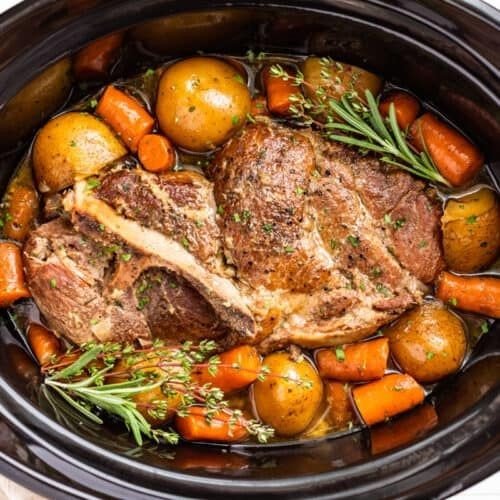
No. The USDA advises against putting frozen beef directly into a slow cooker. A slow cooker heats food too slowly, so frozen beef may stay in the bacterial “danger zone” of 40°F to 140°F for too long.
This rule applies in U.S. kitchens to frozen beef roasts, steaks, stew meat, ground beef, and other raw beef cuts. Thaw the beef in the refrigerator first, then place it in the slow cooker.

Why Frozen Beef Is Not Safe in a Slow Cooker
Frozen beef can take too long to pass through the temperature range where bacteria grow quickly. The outside may begin to warm while the center remains frozen. A slow cooker may eventually cook the beef, but the food can spend too much time at unsafe temperatures before it reaches a safe cooking temperature.
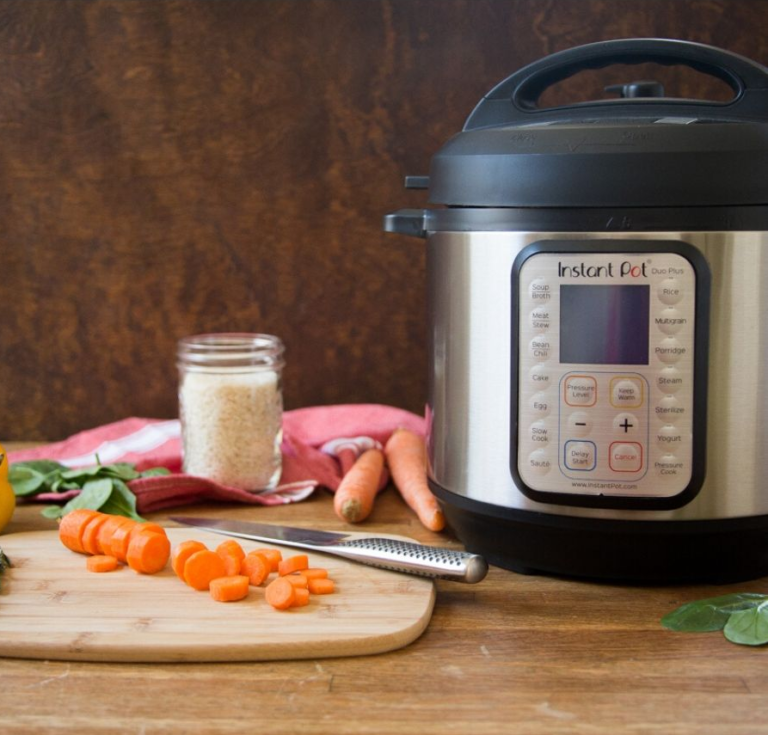
The USDA recommends thawing meat before slow cooking. This advice is different from cooking frozen beef in a pressure cooker, oven, or on a stovetop. Those methods can use higher heat or pressure and follow different cooking rules.
A slow cooker also works best when food is already thawed. Frozen meat can:
- Delay the cooking process
- Cool other ingredients in the cooker
- Lead to uneven cooking
- Make the final cooking time hard to predict
- Leave the center cold while the outer meat cooks
The safest choice is simple: thaw raw beef before adding it to a slow cooker.
The danger zone
Bacteria can multiply quickly between 40°F and 140°F, according to the USDA. Slow cookers are designed to warm food over time, so frozen beef may remain in this range longer than is safe.
Cooking later does not always remove every risk created by poor temperature control. Some bacteria can produce toxins as they grow. For that reason, “I will cook it longer” is not a reliable fix for meat that stayed warm for too long.
How to Thaw Beef Before Slow Cooking
The refrigerator is the best way to thaw beef for a slow cooker. It keeps the meat cold while the ice melts.
1. Thaw the beef in the refrigerator
Place the sealed beef on a plate or in a shallow pan. Keep it on the bottom shelf to prevent leaks from reaching other foods.
Large roasts may need one to two days to thaw. Small packages of stew meat or ground beef may thaw sooner. Do not rely only on the outside of the package. The center should be soft, with no hard frozen area.
2. Use cold water when you need a faster method
Keep the beef in a leak-proof package or plastic bag. Submerge it in cold tap water, and change the water every 30 minutes.
Cook the beef soon after it thaws. Do not use warm or hot water. Warm water can raise the surface temperature while the center remains frozen.
3. Use the microwave only if you will cook the beef right away
A microwave can thaw beef quickly, but some areas may begin to cook. Transfer the beef to the slow cooker immediately after microwave thawing.
Do not thaw beef on the counter. The outer surface can enter the danger zone while the middle remains frozen.

How to Cook Thawed Beef in a Slow cooker
once the beef is fully thawed, slow cooking is a safe and useful method when you follow the cooker’s instructions and use a food thermometer.
What you need
- Fully thawed beef
- A clean slow cooker
- A food thermometer
- Liquid, if your recipe calls for it
- Vegetables or seasonings, as desired
Step 1: Check the slow cooker and beef
Make sure the slow cooker is clean and the insert is not cracked. Check the beef for a sour smell, sticky surface, or unusual color. When in doubt, throw it out.
Do not wash raw beef. Washing can spread bacteria around the sink and nearby surfaces.
Step 2: Cut large pieces only when the recipe calls for it
A large roast can usually go into the cooker as one piece. Cut stew meat into similar-size pieces so it cooks more evenly.
Do not cut a roast into very small pieces simply to make it cook faster. Smaller pieces can dry out, and the cooking time will still vary by cut and quantity.
Step 3: Add ingredients without overfilling the cooker
Fill the slow cooker according to the manufacturer’s instructions. Many models work best when filled about halfway to two-thirds full, but the exact guidance depends on the cooker.
Keep pieces similar in size. Place dense vegetables, such as carrots or potatoes, near the bottom if the recipe uses them. Add the beef above or among the vegetables as directed.
Step 4: Choose the heat setting
Use the setting listed in your recipe. Low heat often works well for beef roasts and tough cuts because it gives connective tissue time to soften.
High heat can reduce the cooking time, but it does not make frozen beef safe to start with. The beef must still be thawed before it enters the slow cooker.
Step 5: Keep the lid closed
Each time you lift the lid, heat escapes and the cooking time becomes less predictable. Check the beef near the end of the suggested cooking time instead of opening the lid often.
Step 6: Check the internal temperature
Insert a food thermometer into the thickest part of the beef. Avoid touching bone or the side of the cooker.
For whole cuts of beef, such as roasts and steaks, the USDA minimum is 145°F with a three-minute rest. Ground beef should reach 160°F.
Tenderness is a separate issue. A chuck roast may be safe at a lower temperature but still feel tough. Tough slow-cooker cuts often need more time for connective tissue to break down. Use the thermometer for safety, then use texture to decide whether the meat is tender enough.

Safe Cooking Temperatures for Beef
Use this table as a quick guide. These are minimum internal temperatures from the USDA for common beef categories.
| Beef type | Minimum internal temperature | Rest time |
|---|---|---|
| Steaks, roasts, and chops | 145°F | 3 minutes |
| Ground beef | 160°F | No extra rest required for safety |
| Leftovers and reheated beef | 165°F | Not applicable |
The temperature should be measured in the thickest part of the meat. A cooking time listed in a recipe is only an estimate because the result depends on the beef’s size, shape, starting temperature, cooker, and amount of liquid.
For a pot roast, safety and tenderness may require different decisions. A roast can reach 145°F and still be chewy. Continue cooking until it reaches the texture your recipe requires, while avoiding long holding times after the food is fully cooked.

Can You Put Frozen Beef Stew Meat in a Slow Cooker?
No. Frozen stew meat should also be thawed first.
Small cubes may seem safer because they are smaller than a roast, but they can still warm slowly when packed together. Frozen cubes may also cool broth, vegetables, and other ingredients in the slow cooker.
Thaw the stew meat in the refrigerator or with the cold-water method. Then brown it in a skillet if you want more roasted flavor. Browning is optional and does not replace safe cooking.
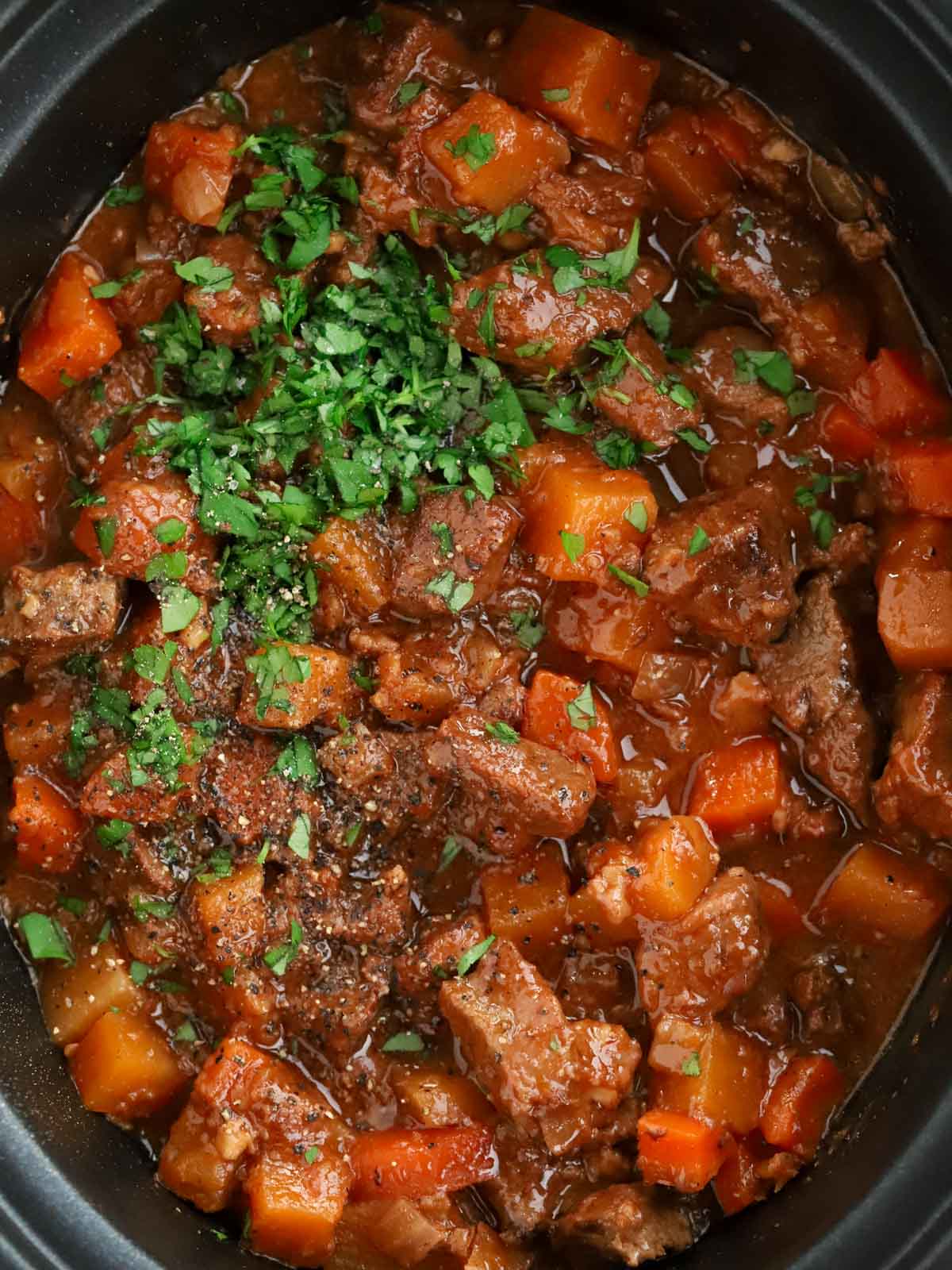
After browning, move the beef to the slow cooker. Cook it with the recipe’s liquid and vegetables until the beef is tender and reaches a safe temperature.
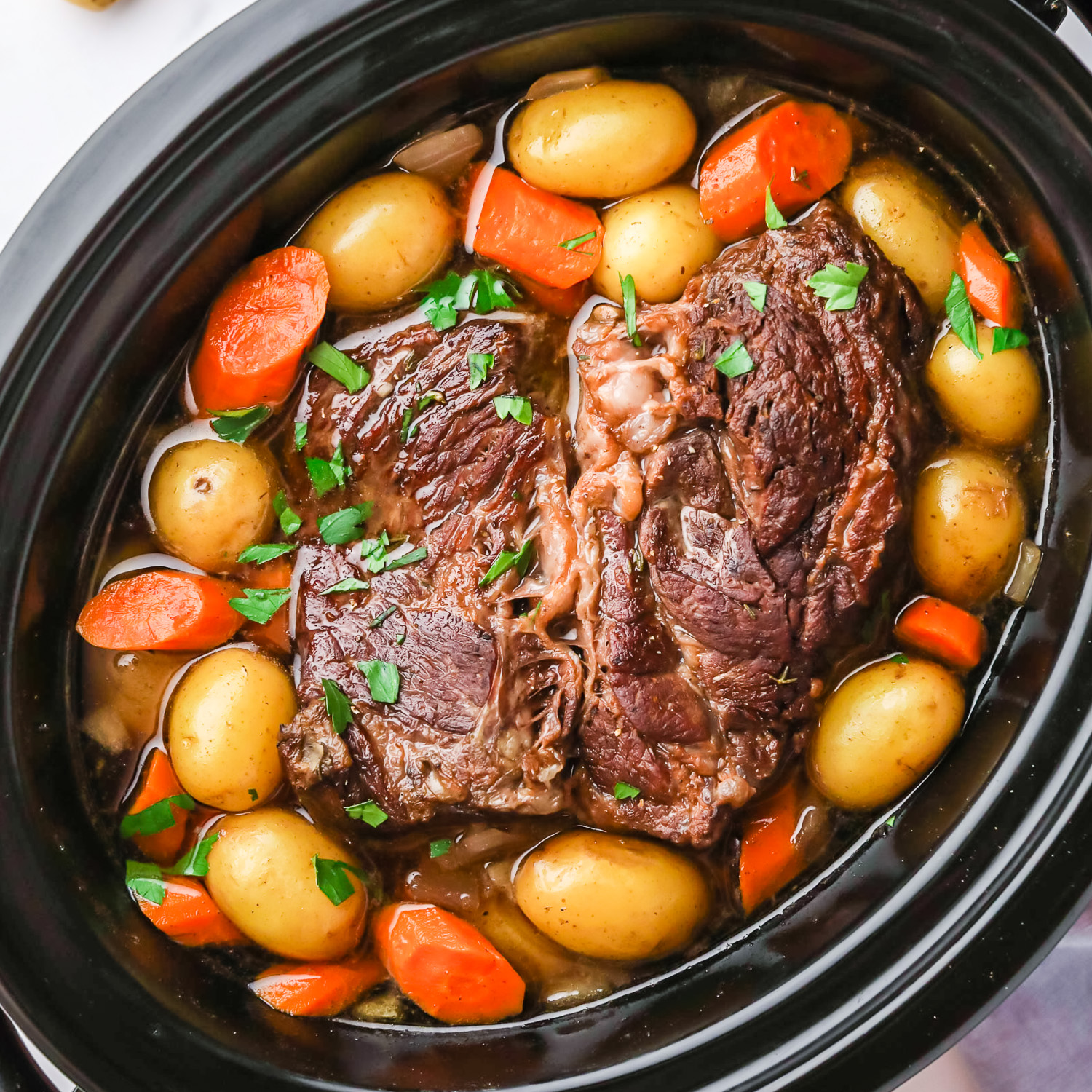
Can You Put a Frozen Roast in a Slow Cooker?
You should not put a frozen roast directly into a slow cooker. A roast is thick, so the center can stay frozen while the outside warms.
For better results:
- Thaw the roast in the refrigerator.
- Pat it dry with paper towels.
- Season it after thawing.
- Brown it first if desired.
- Place it in the slow cooker with the recipe ingredients.
- Cook it until it reaches a safe temperature and becomes tender.
A thawed roast may still need many hours to become tender. Follow the recipe’s timing, but confirm the result with a thermometer and a fork or knife.

What to Do If You Already Put Frozen Beef in the Slow Cooker
The safest response depends on how long the beef has been warming and whether its temperature is known.
If you just started the cooker and the beef is still cold or frozen, remove it. Thaw it safely in the refrigerator or cold water before cooking. If the beef has been warming for an unknown period, has sat on the warm setting, or may have remained below 140°F for too long, discard it.
Do not taste the beef to decide whether it is safe. Smell, color, and taste cannot reliably identify harmful bacteria.
If the beef has been in the slow cooker for several hours and you did not monitor its temperature, the safest choice is to throw it away. Food waste is frustrating, but foodborne illness can be much worse.

Common Mistakes to Avoid
Do not use the warm setting to cook raw beef
The warm setting is for holding cooked food, not for cooking raw meat. It may not heat raw beef quickly enough.
Do not thaw beef on the kitchen counter
Room-temperature thawing can warm the surface too much. Use the refrigerator, cold water, or the microwave followed by immediate cooking.
Do not assume a longer cook time makes frozen beef safe
Longer cooking can raise the final temperature, but it does not erase the risk of slow, uneven heating.
Do not rely on color
Brown or gray beef is not automatically safe, and pink beef is not automatically unsafe. Measure the internal temperature.
Do not overfill the slow cooker
Too much food can slow heating and prevent even cooking. Follow your appliance manual.
Do not confuse a slow cooker with a pressure cooker
An electric pressure cooker may have a documented setting for cooking frozen meat. That does not make frozen meat safe in a traditional slow cooker. Use the instructions for the exact appliance and cooking mode.

Slow Cooker Beef Safety Checklist
Before cooking, confirm that:
- The beef is fully thawed.
- The beef was thawed in the refrigerator, cold water, or microwave.
- The slow cooker is clean and not overfilled.
- Raw beef has not been washed.
- The lid stays closed during most of cooking.
- A food thermometer is available.
- Whole beef reaches at least 145°F, followed by a three-minute rest.
- Ground beef reaches at least 160°F.
- Leftovers are refrigerated promptly in shallow containers.
Refrigerate leftovers within two hours. If the room temperature is above 90°F, refrigerate them within one hour. Use clean utensils and keep raw and cooked foods separate.

FAQS about Can You Put Frozen Beef In A Slow Cooker
Can I cook frozen beef in a Crock-Pot?
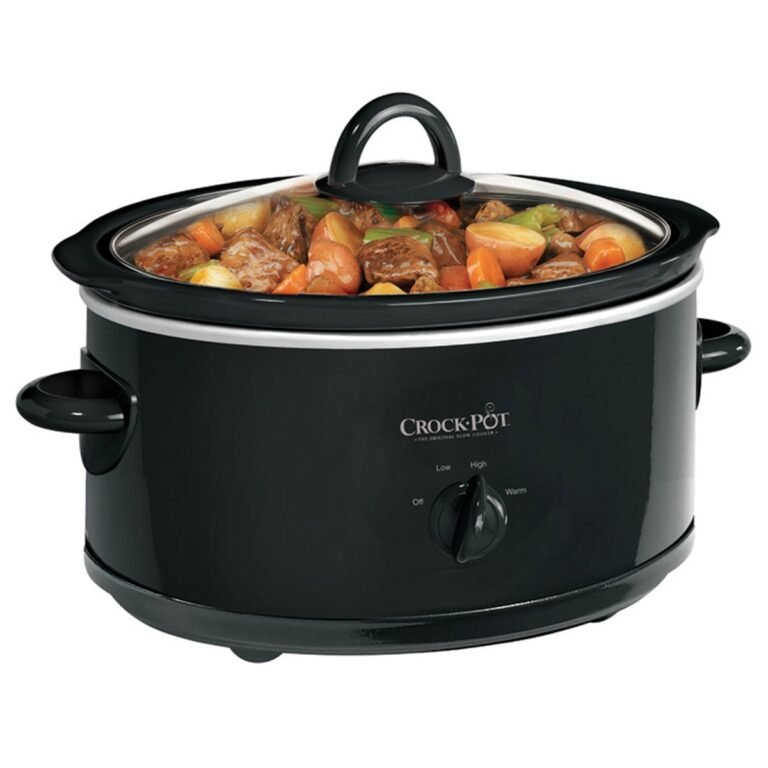
No. Crock-Pot is a brand of slow cooker, and the same safety rule applies: thaw raw beef before placing it in the cooker.
Can I cook frozen ground beef in a slow cooker?
No. Thaw ground beef first. Once thawed, cook it to 160°F and break it apart as it cooks if the recipe requires crumbles.
Can I put frozen beef and vegetables in a slow cooker?
No. Thaw the beef first. Frozen vegetables may be used in some recipes, but they should not be used to make frozen raw beef safe.
Is it safe to cook thawed beef on low all day?
It can be safe when the slow cooker is used correctly and the beef reaches the proper internal temperature. The exact time depends on the cut, size, amount of food, and appliance. Check the beef with a thermometer rather than relying only on the clock.
Can I thaw beef overnight in the slow cooker?
No. A slow cooker is not a thawing tool. Thaw beef in the refrigerator instead.
Conclusion
You should not put frozen raw beef in a slow cooker. Thaw it first, use the cooker as directed, and check the final internal temperature with a food thermometer.
For whole cuts of beef, aim for at least 145°F with a three-minute rest. For ground beef, aim for 160°F. When the beef has warmed for an unknown amount of time, do not taste it or try to rescue it with extra cooking; discard it.
For the safest next step, move the frozen beef to the refrigerator now and plan the slow-cooker meal after it has fully thawed.
See more about: How To Sear A Roast Before Slow Cooking: Best Flavor Guide