Introduction
A Crock-Pot slow cooker turns raw ingredients into a hot meal with little hands-on work. In a U.S. kitchen, you usually add food and liquid to the stoneware insert, cover it, choose LOW or HIGH, and let steady heat cook the meal over several hours. Let’s go: how to use a crock pot slow cooker.
The basic method is simple, but a few details matter. Use thawed meat, keep the lid on, avoid overfilling, and check food with a thermometer when safety or doneness is uncertain. This guide explains how to use a slow cooker for soups, stews, chili, roasts, shredded meat, beans, and more.

What Is a Crock-Pot Slow Cooker?
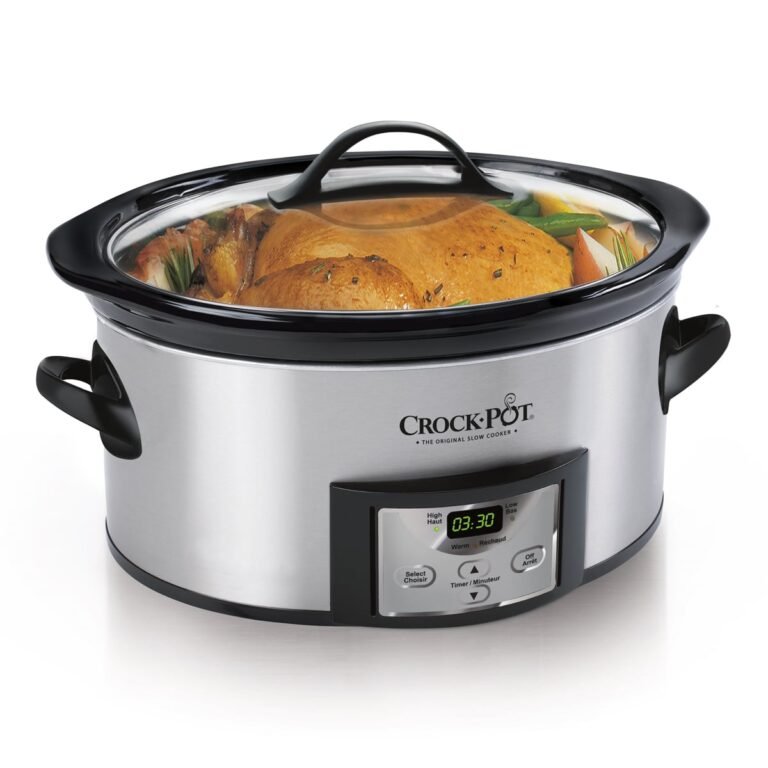
A Crock-Pot is a brand of slow cooker. The appliance has three main parts:
- Heating base: The electric unit that produces gentle heat.
- Removable stoneware insert: The bowl that holds the food.
- Glass lid: The cover that traps heat and moisture.
“Crock-Pot” and “slow cooker” are often used as the same term in the United States. Other brands work in much the same way, but controls, capacity, and cooking times can vary.
Slow cookers cook food with low, steady heat. The covered bowl holds in steam, so food can stay moist while tough cuts of meat soften over time. The slow cooker does not usually brown food. For deeper flavor, brown meat or sauté onions in a skillet first, if your recipe calls for it.
What the slow cooker settings mean
Most slow cookers have LOW, HIGH, and WARM settings.
- LOW: Best for long cooking and tender results. It often takes about twice as long as HIGH, but the exact time varies.
- HIGH: Useful when you have less time. It does not always produce the same texture as a longer LOW cook.
- WARM: Holds already-cooked food at a serving temperature. It is not meant to cook raw food.
A slow cooker’s actual temperature can differ by model. Treat recipe times as guides, not guarantees.

What You Need Before You Start
Before using a Crock-Pot slow cooker, gather the following:
- A slow cooker with a clean insert and lid
- A recipe suited to slow cooking
- Thawed meat, poultry, or seafood
- A cutting board and knife
- Measuring cups and spoons
- A skillet, if browning is needed
- A food thermometer
- Heat-safe utensils and serving bowls
Check the appliance cord, plug, insert, and lid for cracks or damage. Set the cooker on a dry, heat-safe surface with space around it. Do not place it directly under cabinets if steam or heat could damage them.
Read your model’s manual before using special functions such as a timer, sear setting, probe, or automatic switch to WARM. The manufacturer’s instructions take priority over general advice.
How to Use a Crock-Pot Slow Cooker Step by Step
Follow these steps for most slow-cooker recipes.
1. Choose the right recipe
Pick a recipe written for a slow cooker when possible. Slow cookers add moisture and cook at a lower temperature than an oven or stovetop, so a recipe may need changes before it works well.
Good choices include:
- Beef stew
- Pot roast
- Pulled pork
- Chicken soup
- Chili
- Lentil soup
- Beans
- vegetable stew
- Meatballs
- Apple sauce
Recipes that depend on crisp skin, a dry crust, or quick searing may not work well without extra steps.
2. Thaw meat before cooking
Do not put frozen meat or poultry directly into a slow cooker. The food may remain too long in the temperature range where bacteria can grow.
Thaw food safely in one of three ways:
- In the refrigerator
- In cold water that you change often
- In the microwave, followed by immediate cooking
The U.S. Department of Agriculture recommends thawing meat before placing it in a slow cooker. This advice applies to beef, pork, poultry, and other perishable foods.
3. Cut ingredients into similar sizes
Cut meat and vegetables into pieces that are close in size. This helps them cook at a similar rate.
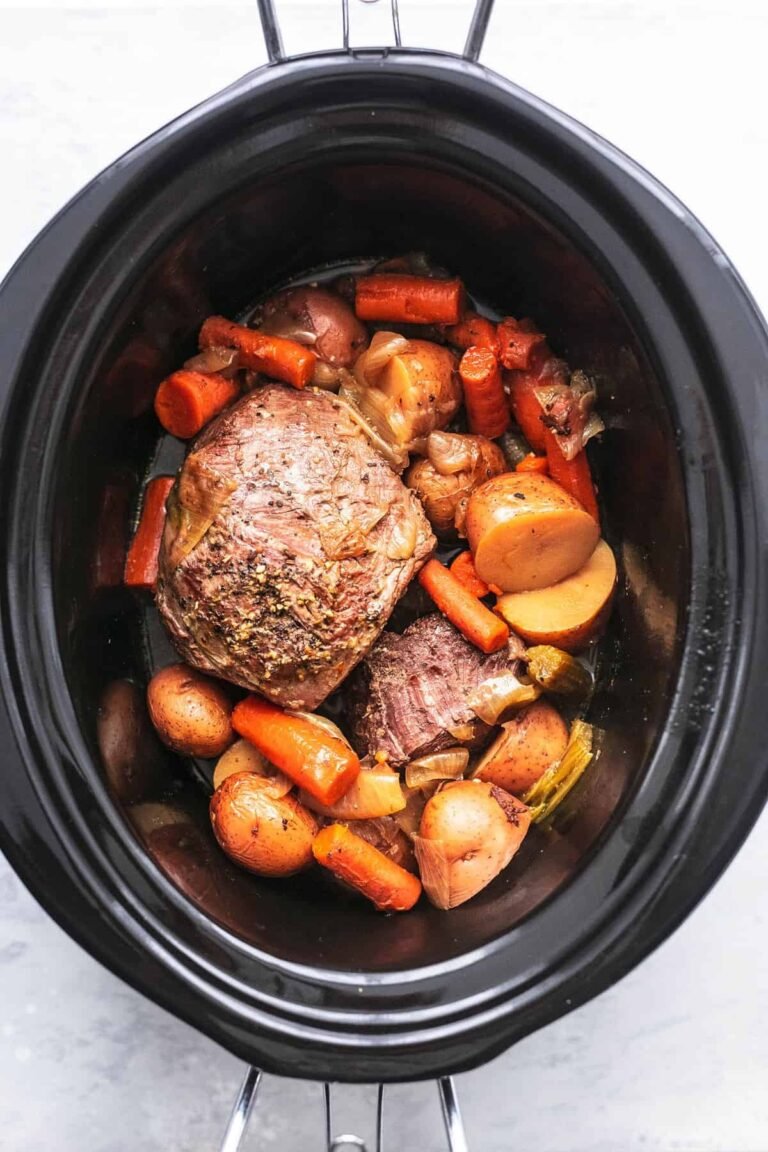
Place dense foods, such as potatoes, carrots, and other root vegetables, near the bottom. Put meat on top or among the vegetables. The bottom and sides of the insert tend to heat more strongly than the center.
Do not cut meat into tiny pieces unless the recipe requires it. Small pieces can dry out during a long cook.
4. Brown meat when the recipe benefits from it
Browning is optional, but it can improve flavor and color. Heat a skillet over medium-high heat, add a small amount of oil, and brown the meat in batches.
Browning does not seal in juices. Its main benefit is the deeper roasted flavor created on the surface of the meat. Drain extra fat before transferring the meat to the slow cooker.
You can also sauté onions, garlic, or spices in the same skillet. Scrape up the browned bits with a little broth or water and add that liquid to the cooker.
5. Add ingredients in the right order
A common order is:
- Firm vegetables
- Beans or grains, when the recipe allows them
- Meat
- Sauce, broth, or other liquid
- Delicate vegetables or dairy ingredients added later
Follow the recipe if it gives a different order. Add soft vegetables, seafood, pasta, cream, and fresh herbs near the end unless the recipe specifically says otherwise.
6. Add the correct amount of liquid
Slow cookers lose less water than open pots. You often need less liquid than you would use on the stovetop.
Add enough liquid to prevent scorching and support the recipe, but do not automatically fill the insert with broth. Too much liquid can make a stew thin and dilute its flavor.
Some foods release liquid as they cook. Tomatoes, mushrooms, frozen vegetables, and fatty meats may add more moisture to the dish.
7. Fill the insert safely
As a general guide, fill the stoneware insert about one-half to two-thirds full. A very full cooker may heat slowly and cook unevenly. A nearly empty cooker may overcook food or cause it to dry out.
Never fill above the maximum line marked on the insert. If your manual gives a different limit, follow the manual.
8. Put on the lid and choose a setting
Place the lid on the insert so it fits properly. Select LOW or HIGH based on the recipe and your available time.
Do not keep removing the lid to check the food. Each opening releases heat and steam and may extend the cooking time. If you need to stir, do it quickly and only when the recipe calls for it.
9. Cook until the food is tender and safe
Cooking time depends on:
- The setting
- The amount of food
- The size of the pieces
- The starting temperature
- The model and age of the cooker
- The recipe’s ingredients
Use texture as one sign of doneness. Meat should be tender when the recipe calls for shredding or serving. Vegetables should be soft enough to pierce with a fork.
For safety, use a food thermometer for meat and poultry. The USDA lists these minimum internal temperatures:
| Food | Minimum internal temperature |
|---|---|
| Poultry, including chicken and turkey | 165°F |
| Ground meats, such as beef or pork | 160°F |
| Whole cuts of beef, pork, veal, and lamb | 145°F, followed by a 3-minute rest |
| Fish | 145°F or until the flesh is opaque and flakes easily |
Measure in the thickest part of the food. Avoid touching bone or the side of the insert with the thermometer.
10. Finish and serve safely
When the food is done, switch the cooker to WARM only if you plan to serve it soon and your model allows it. WARM is for holding cooked food, not for completing raw food.
Serve with clean utensils. Refrigerate leftovers within two hours, or within one hour if the room temperature is above 90°F. Store food in shallow containers so it cools more quickly. The USDA advises using refrigerated leftovers within three to four days.

How Long Should Food Cook in a Slow Cooker?
There is no single cooking time for every recipe. A useful starting point is that a recipe cooked on LOW for eight hours may take about four to five hours on HIGH, but this is only an estimate.
Use the recipe’s timing first, then check the food for tenderness and safe internal temperature.
| Food type | Typical LOW range | Typical HIGH range |
|---|---|---|
| Soup or chili | 6–8 hours | 3–4 hours |
| Beef stew | 7–9 hours | 4–5 hours |
| Pork shoulder for shredding | 8–10 hours | 5–6 hours |
| Chicken pieces | 4–6 hours | 2–3 hours |
| Dried beans, soaked when required | 6–8 hours | 3–5 hours |
These are general planning ranges, not guarantees. A large roast may need more time than small pieces. A cooker that is only one-third full may cook differently from one that is two-thirds full.
When to add pasta, rice, and dairy
Pasta can become soft or mushy during a long cook. Add it near the end, often during the last 20 to 40 minutes, depending on the recipe.
Rice needs enough liquid and may not cook evenly in every slow cooker. Use a recipe tested for slow-cooker rice rather than adding rice to any dish without adjusting the liquid.
Milk, cream, sour cream, and cheese can separate during long cooking. Stir them in near the end unless the recipe is designed for extended cooking.
When to add fresh herbs
Add sturdy herbs, such as rosemary or thyme, at the start if you want their flavor to blend into the dish. Add delicate herbs, such as parsley, cilantro, or basil, near the end for a fresher taste.

How to Adapt a Stovetop or Oven Recipe
You can adapt some recipes, but the liquid and timing need care.
Use these principles:
- Reduce excess liquid because the lid traps moisture.
- Keep the lid on during cooking.
- Add pasta, seafood, dairy, and delicate vegetables late.
- Brown meat first if the original recipe uses a sear.
- Avoid recipes that depend on evaporation or crisping.
- Use a slow-cooker recipe as a model when you are unsure.
Do not convert a recipe by simply putting every ingredient into the cooker. A stovetop sauce may need to reduce, while a slow cooker keeps most of its water. The finished dish could become thin or bland.
For a first attempt, adapt a stew, soup, braise, or chili rather than a baking recipe or crisp-skinned dish.
Common Slow-Cooker Mistakes and Fixes
The meal is watery
Likely causes:
- Too much broth or water
- Ingredients released more liquid than expected
- The lid was removed often
- The dish included watery vegetables
Fixes:
- Remove the lid only near the end if the manual allows it.
- Transfer some liquid to a saucepan and reduce it on the stove.
- Stir in a tested thickener, such as a cornstarch slurry.
- Let the food rest for a few minutes before serving.
Do not add dry flour directly to a hot slow cooker. It may form lumps.
The meat is tough
Tough meat is often undercooked, not overcooked. Continue cooking until it becomes tender, provided the food has remained in a safe cooking process and the recipe supports more time.
The cut may also be too lean. Tough, well-marbled cuts often suit slow cooking better than very lean cuts.
The meat is dry
Dry meat may have cooked too long, been cut too small, or lacked enough liquid. Chicken breast is especially prone to drying during extended cooking.
Try using chicken thighs, a shorter cook time, larger pieces, or a recipe made for lean meat.
Vegetables are still hard
Dense vegetables may need more time or smaller pieces. Put them near the bottom and cut them evenly.
If the meat is already done but the vegetables are not, remove the meat and continue cooking the vegetables in the liquid.
The food tastes bland
Slow cooking softens flavor, and extra liquid can dilute it. Taste near the end and adjust salt, acid, herbs, or spices.
A small amount of lemon juice, vinegar, hot sauce, or fresh herbs can brighten a heavy dish. Add strong flavors gradually.
The slow cooker turns off
Stop using the appliance if the cord, plug, or base becomes unusually hot, smells like burning, sparks, or shows visible damage. Check the outlet and the manual, but do not use a damaged appliance.
If power fails while food is cooking, keep the lid closed. If you do not know how long the food has been without heat, discard perishable food rather than guessing.

Slow-Cooker Food Safety Rules
Use these rules every time:
- Thaw meat and poultry before slow cooking.
- Wash your hands before and after handling raw food.
- Keep raw meat separate from ready-to-eat food.
- Use a clean cutting board for vegetables after handling raw meat.
- Do not use WARM to cook raw ingredients.
- Do not taste food made with raw meat until it reaches a safe temperature.
- Keep the lid on during cooking.
- Refrigerate leftovers within two hours.
- Reheat leftovers to 165°F.
- Do not put a hot stoneware insert on a cold or wet surface unless the manual says it is safe.
- Do not place a cold insert directly into a hot oven unless the manufacturer specifically approves it.
- Never use the slow-cooker insert on a stovetop unless it is designed for that purpose.
For food safety questions, use current guidance from the USDA Food Safety and Inspection Service and the U.S. Food and Drug Administration.

Cleaning and Storing a Crock-Pot
Unplug the slow cooker and let it cool before cleaning. Wash the removable insert and lid according to the manufacturer’s instructions.
Many stoneware inserts are dishwasher-safe, but not all are. Avoid sudden temperature changes, such as placing a hot insert in cold water. Thermal shock can crack the stoneware.
Wipe the heating base with a damp cloth. Do not immerse the electrical base in water. Do not use the cooker if the insert is cracked, chipped, or damaged.
Store the lid slightly ajar, if practical, so moisture and odors do not stay trapped inside.
Key Takeaways
- Use thawed ingredients, not frozen meat or poultry.
- Fill the insert about one-half to two-thirds full.
- Put firm vegetables near the bottom.
- Use less liquid than you would in an uncovered pot.
- Keep the lid closed during cooking.
- Use LOW for longer cooking and HIGH for shorter cooking.
- Treat WARM as a holding setting, not a cooking setting.
- Check meat with a food thermometer.
- Refrigerate leftovers within two hours.
- Follow your model’s manual when it differs from general guidance.
Frequently Asked Questions
Can I put raw meat in a Crock-Pot?
Yes. A slow cooker can cook raw meat, but thaw the meat first. Place it in the cooker with the other ingredients, keep the lid closed, and cook until it reaches a safe internal temperature and the texture is tender.
Can I leave a slow cooker on while I am away?
Many people use slow cookers for unattended cooking, but the appliance should be in good condition and placed on a stable, heat-safe surface. Keep it away from water, towels, paper, and the edge of the counter. Follow the manufacturer’s instructions for your model.
Should I cook on LOW or HIGH?
Use LOW when you have more time and want a gentle, long cook. Use HIGH when the recipe supports a shorter cook. Do not assume that every recipe gives identical results on both settings.
Can I put frozen vegetables in a slow cooker?
Frozen vegetables can often go into a slow cooker safely, but they may lower the food’s temperature and change the cooking time. Frozen meat and poultry should be thawed first.
Can I put a Crock-Pot insert in the oven?
Only if the manufacturer’s manual says that the insert is oven-safe and lists the temperature limit. Never assume that a stoneware insert can move from the refrigerator, freezer, or countertop directly into a hot oven.
Conclusion
To use a Crock-Pot slow cooker, prepare thawed ingredients, layer them in the insert, add a measured amount of liquid, cover the cooker, and choose LOW or HIGH. Cook until the food is tender and reaches a safe internal temperature.
For the best results, keep the cooker between one-half and two-thirds full, avoid lifting the lid, add delicate ingredients near the end, and cool leftovers promptly. Start with a tested soup, stew, chili, or braise recipe, then adjust the method as you learn how your slow cooker behaves.