You can cook almost any slow-cooker recipe without a slow cooker. In a U.S. kitchen, the best substitutes are a Dutch oven, a heavy pot with a lid, or a covered baking dish in a regular oven. The goal is the same: cook food gently, keep it covered, and give tough meat, beans, and vegetables enough time to soften.
Use the oven when you want steady heat. Use the stovetop when you want faster control. You can also use a pressure cooker when the recipe needs to finish quickly, but the cooking method and liquid needs will change.
This guide uses U.S. temperatures and food-safety guidance from the USDA and FDA.

The Best Slow Cooker Substitutes
The best replacement depends on the dish, the time you have, and the pot or appliance available.
| Slow cooker replacement | Best for | Main benefit | Main caution |
|---|---|---|---|
| Dutch oven in the oven | Stews, pot roast, chili, pulled pork | Even, steady heat | Takes time to heat |
| Heavy pot on the stovetop | Soups, beans, braises, chili | Easy to adjust | Needs more checking |
| Covered casserole dish | Chicken, baked pasta, smaller meals | Works with common bakeware | May dry out faster |
| Pressure cooker | Tough meat, beans, quick meals | Much faster cooking | Not a direct time swap |
| Roasting pan with a tight cover | Large roasts and family meals | Holds more food | Can need extra liquid |
A slow cooker usually heats food from the sides and bottom over several hours. A covered pot in the oven creates a similar moist cooking space. The oven does not need to match a slow cooker’s setting exactly because the food sits in a different type of vessel.
For most slow-cooked meals, a heavy, oven-safe pot with a tight lid is the closest substitute. A Dutch oven works well because its thick walls hold heat and its lid helps prevent moisture loss.

How to Convert a Slow Cooker Recipe for the Oven
To cook a slow-cooker recipe in the oven, use a covered pot and set the oven to about 300°F. Adjust the time based on the food, the size of the pieces, and whether the recipe uses meat, beans, or vegetables.
Follow these steps:
Choose an oven-safe pot.
Use a Dutch oven or another heavy pot with a lid. Check that the handles and lid knob can safely handle the oven temperature.Brown the meat, if the recipe calls for it.
Heat a small amount of oil in the pot over medium-high heat. Brown the meat in batches so it sears instead of steams. This step adds flavor but is not required for food safety.Add the vegetables, liquid, and seasonings.
Use less liquid than you would in a slow cooker if the pot has a tight lid. Start with enough liquid to cover about one-third to one-half of the food. Meat and vegetables release their own juices as they cook.Cover the pot tightly.
A tight lid keeps steam inside. If the lid fits poorly, place a sheet of foil under the lid, but keep the foil away from any exposed heating element.Cook at 300°F.
Put the covered pot in the center of the oven. Cook until the meat is tender and the vegetables are soft.Check the food near the expected finish time.
Add hot water or broth if the pot looks dry. If the food has too much liquid, remove the lid for the last 20 to 30 minutes.Check the internal temperature.
Use a food thermometer in the thickest part of the meat. The USDA lists 165°F for poultry, 160°F for ground meats, and 145°F for whole cuts of beef, pork, lamb, and veal followed by a three-minute rest.
General oven conversion guide
These times are starting points, not guarantees. A large roast may need more time than small pieces of the same meat.
| Slow cooker setting | Covered oven method | Approximate oven time |
|---|---|---|
| Low for 6 to 8 hours | 300°F | About 2½ to 4 hours |
| Low for 8 to 10 hours | 275°F to 300°F | About 3½ to 5 hours |
| High for 3 to 4 hours | 325°F | About 1½ to 3 hours |
The food is done when it is tender, not simply when a set number of hours has passed. For pot roast, a fork should slide into the meat with little resistance. For chicken, the thickest part should reach 165°F. For beans, the center should be soft rather than chalky.
How to Cook a Slow-Cooker Meal on the Stovetop
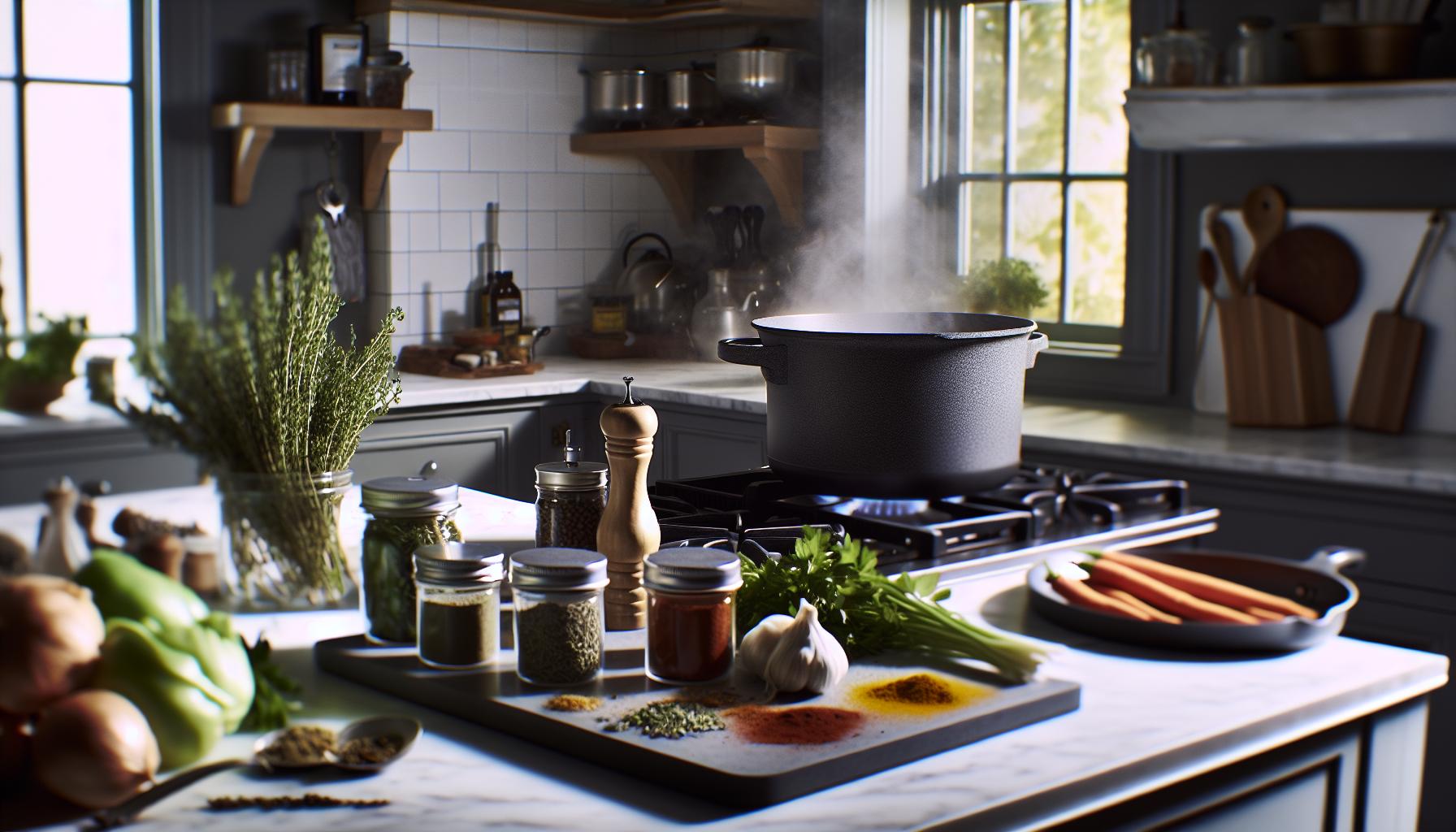
A heavy pot on the stovetop works well for soups, stews, chili, beans, and braised meat. The key is to keep the heat low enough for a gentle simmer.
Start by building the dish as you would in a slow cooker. Brown meat and onions first if desired. Add the liquid, vegetables, and seasonings, then bring the mixture to a gentle simmer.
Lower the heat and cover the pot. The liquid should show only a few small bubbles. A hard boil can make meat tough, break vegetables apart, and cause liquid to evaporate too fast.
Stir every 20 to 30 minutes, especially if the pot contains milk, a thick sauce, or food that may stick. Add hot water or broth when needed. Keep the lid on between checks to hold in heat and moisture.
Stovetop cooking times
- Chicken pieces: About 30 to 60 minutes, depending on size.
- Beef or pork stew meat: About 1½ to 3 hours.
- Chili: About 45 minutes to 2 hours.
- Dried beans: Often 1 to 3 hours after soaking, depending on the bean and its age.
- Large pot roast: About 2½ to 4 hours, usually at a very gentle simmer.
These times are broad because food size matters. Small cubes cook faster than a whole roast. Older dried beans can take much longer than fresh beans.
For best results, keep meat partly covered by liquid but do not flood the pot. Steam and trapped heat help cook the top, while the liquid gently braises the lower part.

How to Use the Oven for Common Slow-Cooker Foods
The oven works especially well for foods that need moist, steady heat. Keep the dish covered unless you want the sauce to reduce.
Pot roast
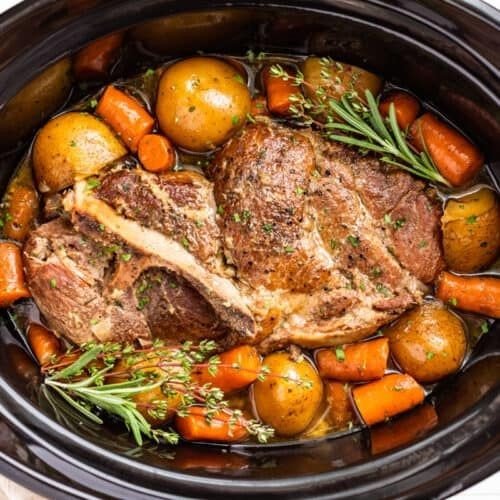
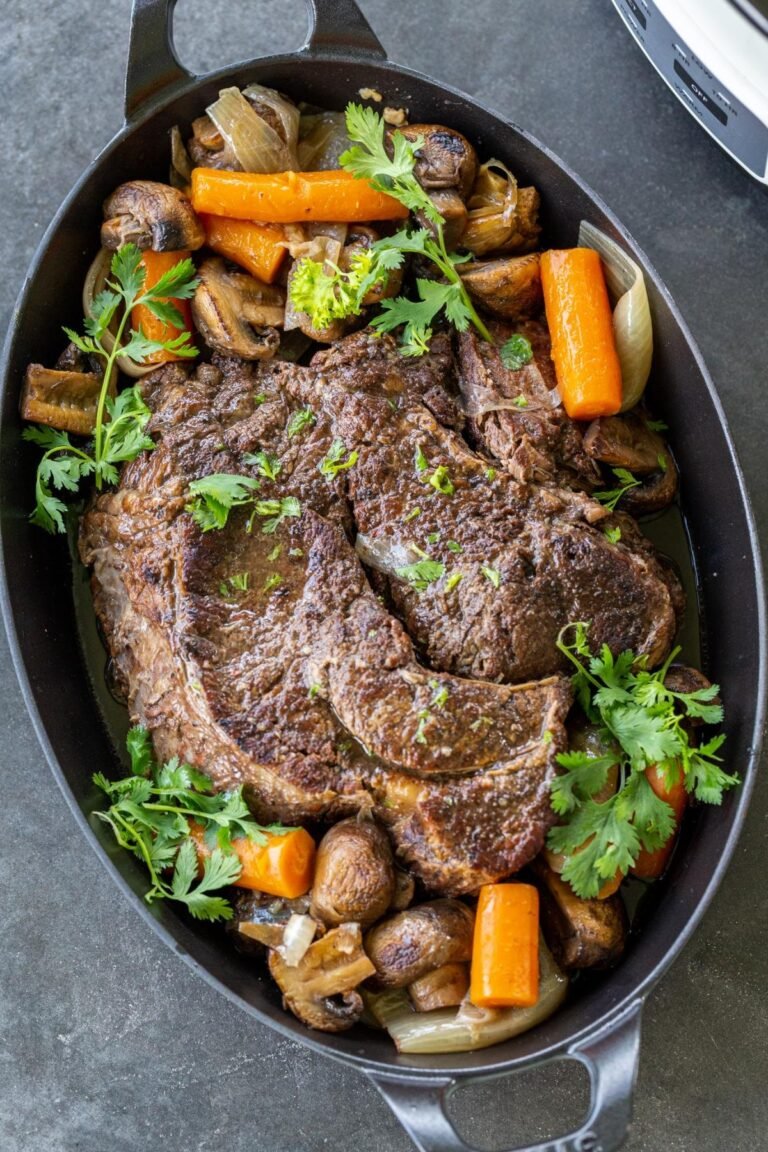
Sear the roast first, then place it in a covered Dutch oven with onions, carrots, potatoes, broth, and herbs. Cook at 300°F until the meat is fork-tender.
A pot roast may reach a safe temperature before it becomes tender. Safety and tenderness are different goals. Collagen needs more time to break down, so the roast may need additional cooking after it reaches the minimum safe temperature.
Pulled pork
Place the pork shoulder in a covered pot with a small amount of broth, water, or sauce. Cook at 300°F until it pulls apart easily with a fork. Large cuts can take several hours.
Do not judge doneness by color alone. Use a thermometer, then test the texture. Pork may be safe before it is tender enough to shred.
Chicken
Use bone-in or boneless chicken with broth, vegetables, or sauce. Cover the dish and bake at 300°F to 325°F. Chicken is ready when the thickest part reaches 165°F.
Boneless chicken breast can dry out during long cooking. Thighs and drumsticks are more forgiving because they contain more connective tissue and fat.
Chili
Chili can simmer on the stovetop or cook in a covered pot at 300°F. Stir it now and then and add liquid if the beans or meat begin to dry out.
If using canned beans, drain and rinse them if you want a cleaner taste. If using dried kidney beans, boil them vigorously in fresh water for at least 10 minutes before simmering. Raw or undercooked kidney beans can contain high levels of a natural toxin called phytohaemagglutinin.
Dried beans
Soak beans if the package or recipe recommends it. Cook them in fresh water or broth until tender. Do not rely on a slow-cooker conversion for raw kidney beans unless they have first been boiled properly.
Keep beans covered with liquid while they cook. Add more hot water as needed, and avoid adding acidic ingredients such as tomatoes or vinegar until the beans begin to soften. Acid can slow the softening process.

How to Adjust Liquid, Heat, and Ingredients
Slow-cooker recipes often use less liquid than stovetop recipes because very little water escapes. The same recipe may need a different amount of liquid in an uncovered pot.
Use these practical adjustments:
- Covered oven pot: Start with slightly less liquid than the slow-cooker recipe states.
- Stovetop pot: Keep extra hot broth or water nearby because evaporation is higher.
- Uncovered cooking: Add more liquid and check the pot often.
- Pasta or rice: Add them later unless the recipe is designed for long cooking. They can become soft or absorb too much liquid.
- Dairy: Add milk, cream, sour cream, or soft cheese near the end. Long, high heat can cause dairy to curdle.
- Fresh herbs: Add delicate herbs near the end. Add sturdy herbs, such as rosemary or thyme, earlier.
- Frozen food: Thaw meat before slow oven or stovetop cooking when possible. A large frozen piece may heat too slowly.
When to add ingredients
Add ingredients according to how quickly they cook:
- Put firm vegetables, such as carrots and potatoes, near the bottom.
- Add large cuts of meat next.
- Add softer vegetables, such as peas or zucchini, during the final 20 to 30 minutes.
- Add cooked beans, canned vegetables, dairy, and fresh herbs near the end.
- Add thickening agents after the main ingredients are tender.
To thicken a stew, mix one tablespoon of cornstarch with one tablespoon of cold water for each cup of liquid you want to thicken. Stir the mixture into the hot food, then simmer for a few minutes. Add more only if needed.

Can You Use a Pressure Cooker Instead?
A pressure cooker can replace a slow cooker, but it does not use the same timing. Pressure cooking uses trapped steam to raise the cooking temperature, so food finishes much faster.
Use the pressure cooker’s manual or manufacturer instructions for liquid levels and cooking times. Different models have different minimum liquid requirements. Never fill the cooker beyond its marked limit.
As a general starting point:
- Stew meat may cook in about 25 to 40 minutes at high pressure.
- Dried beans may cook in about 25 to 45 minutes, depending on the bean and whether it was soaked.
- Chicken pieces may cook in about 8 to 15 minutes.
These are estimates, not universal settings. Allow time for the cooker to reach pressure and release pressure. A natural release often helps meat stay moist and may reduce foaming with beans.
Do not seal a pressure cooker with too little liquid. Do not open it until the pressure has fully released according to the manufacturer’s instructions.

How to Know When the Food Is Done
Use both a thermometer and a texture check. Temperature helps confirm safety, while texture tells you whether the food has cooked long enough to become tender.
USDA minimum internal temperatures
- Poultry: 165°F
- Ground beef, pork, lamb, and veal: 160°F
- Whole cuts of beef, pork, lamb, and veal: 145°F, followed by a three-minute rest
- Leftovers and casseroles: 165°F
Insert the thermometer into the thickest part without touching bone. For thin foods, place the probe through the side.
Signs of success
Your meal is usually ready when:
- Meat separates easily with a fork.
- Vegetables are tender but not falling apart.
- Beans have no hard center.
- The sauce coats a spoon.
- The liquid has not boiled away.
- The food reaches the proper internal temperature.
If the meat is safe but tough, keep cooking it gently with the lid on. If the meat is dry, the heat may be too high, the pot may not seal well, or the cut may be too lean for long cooking.

Common Mistakes When Cooking Without a Slow Cooker
Using high heat to save time
High heat does not always make a slow-cooked meal better. It can toughen meat and cause the liquid to evaporate before the vegetables soften.
Leaving the pot uncovered
An uncovered pot loses moisture quickly. Use a tight lid or check the dish often and replace lost liquid with hot broth or water.
Cutting vegetables too small
Small pieces can turn mushy during long cooking. Cut potatoes, carrots, and other firm vegetables into large, even pieces.
Adding all ingredients at once
Pasta, dairy, peas, seafood, and soft vegetables often need less time. Add them near the end.
Using a thin pot
Thin cookware can create hot spots. Food may stick on the bottom while the top remains undercooked. A heavy pot gives more even heat.
Relying on color
Brown chicken is not proof that it is safe. Pink meat is not always proof that it is unsafe. Check the internal temperature with a thermometer.
Cooling a large pot too slowly
Divide leftovers into shallow containers so they cool faster. Refrigerate perishable food within two hours, or within one hour when the air temperature is above 90°F. Keep the refrigerator at 40°F or below.
Choosing the Right Method
Use this quick guide:
- Choose a covered Dutch oven for pot roast, stew, braised meat, and chili.
- Choose a stovetop pot when you need to watch and adjust the meal.
- Choose a covered casserole dish for smaller portions of chicken or baked meals.
- Choose a pressure cooker when time matters most.
- Choose a roasting pan for large cuts or a big family-size meal.
The closest slow-cooker replacement is usually a covered Dutch oven in a 275°F to 300°F oven. It gives the food steady heat, limits moisture loss, and needs less attention than stovetop cooking.
Key Takeaways
- You can cook slow-cooker recipes without a slow cooker.
- A covered Dutch oven at about 300°F is the most similar oven method.
- A heavy pot on low heat works well on the stovetop.
- Use less liquid in a tightly covered pot, but keep extra broth nearby.
- Check meat with a food thermometer.
- Add pasta, dairy, seafood, and soft vegetables near the end.
- Cook food until it is both safe and tender.
- Refrigerate leftovers within the recommended time.
FAQs
Can I use a regular pot instead of a slow cooker?
Yes. Use a heavy pot with a tight lid. Cook it on the stovetop over low heat or in an oven-safe pot at about 300°F.
What oven temperature replaces a slow cooker on low?
A covered oven pot set to about 275°F to 300°F is a useful starting range. Cooking time depends on the food, the pot, and the size of the ingredients.
Should I use the same amount of liquid?
Not always. A covered oven pot loses less liquid than an uncovered stovetop pot. Start with enough liquid to prevent drying, then adjust as the meal cooks.
Can I cook frozen meat without a slow cooker?
Thawing meat first is safer and gives more even cooking. A large frozen piece may remain in the food-safety danger zone too long while the center warms.
Why is my meat still tough after cooking?
The meat may need more time, not more heat. Keep it covered and continue cooking gently until connective tissue breaks down and the meat becomes tender.
Can I leave food cooking overnight in the oven?
Overnight cooking requires careful control of temperature, cookware, and food safety. Use only equipment designed for long cooking, follow the appliance instructions, and do not leave an unfamiliar setup unattended.
Conclusion
Cooking without a slow cooker is simple once you match the method to the food. Use a covered Dutch oven for steady oven heat, a heavy pot for stovetop control, or a pressure cooker when you need speed. Keep the food moist, check the temperature, and cook until the texture is tender.
For most recipes, begin with a covered pot at 300°F, check the dish before the expected finish time, and adjust the liquid as needed.