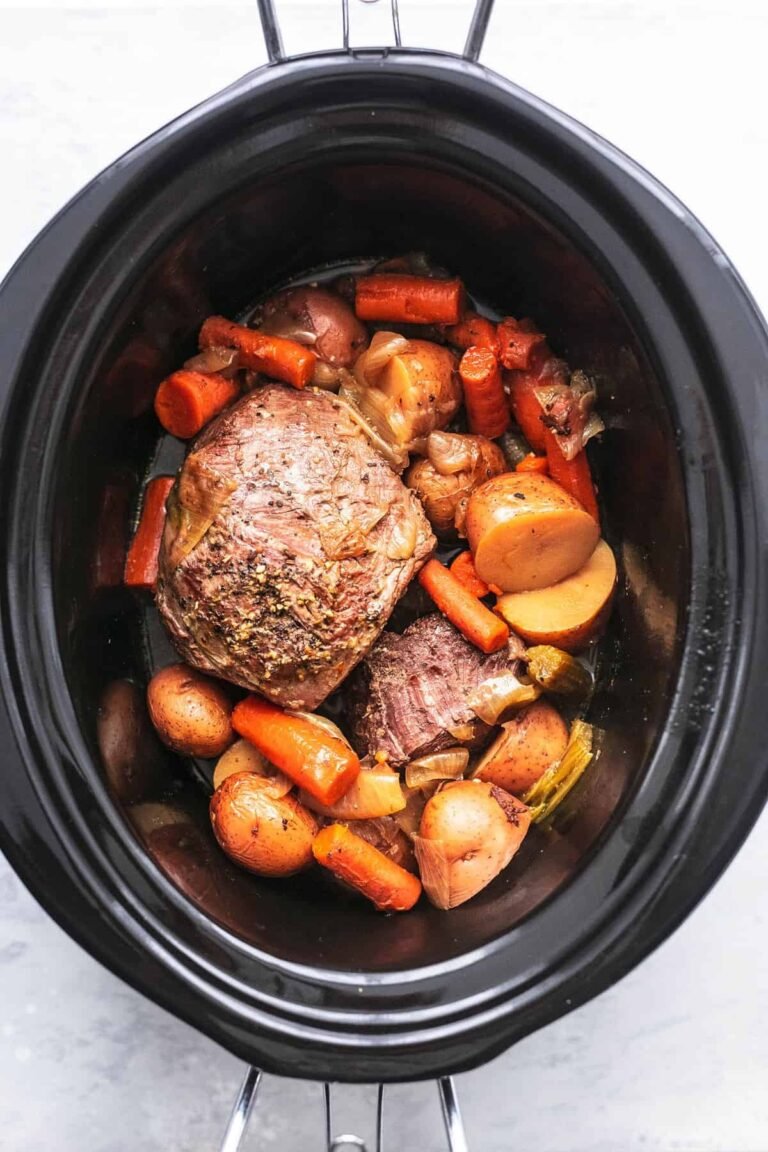
A slow cooker pot lets you cook a meal over low heat for several hours with little hands-on work. In a U.S. kitchen, you usually add thawed meat, vegetables, liquid, and seasonings to the ceramic crock, secure the lid, choose Low or High, and let the cooker work until the food is tender and reaches a safe temperature.
The key rules are simple: thaw meat first, do not overfill the pot, keep the lid closed, and refrigerate leftovers within two hours. This guide explains how to use a slow cooker safely, how much liquid to add, how long food may take, and what to do when a recipe does not turn out as planned.

What Is a Slow Cooker Pot?
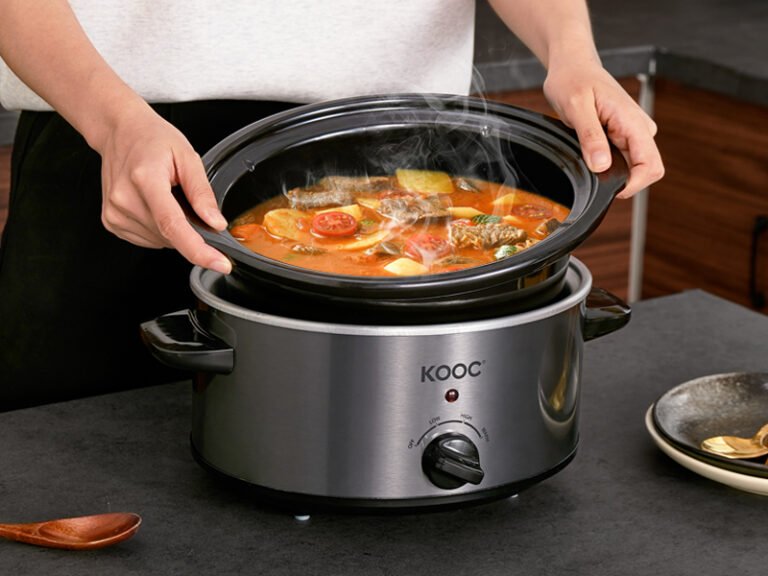
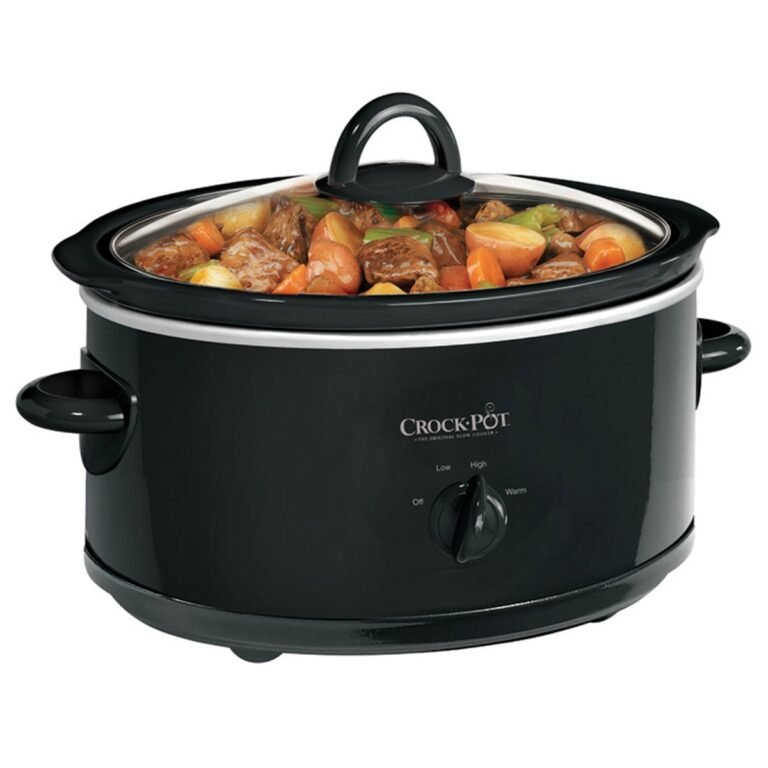
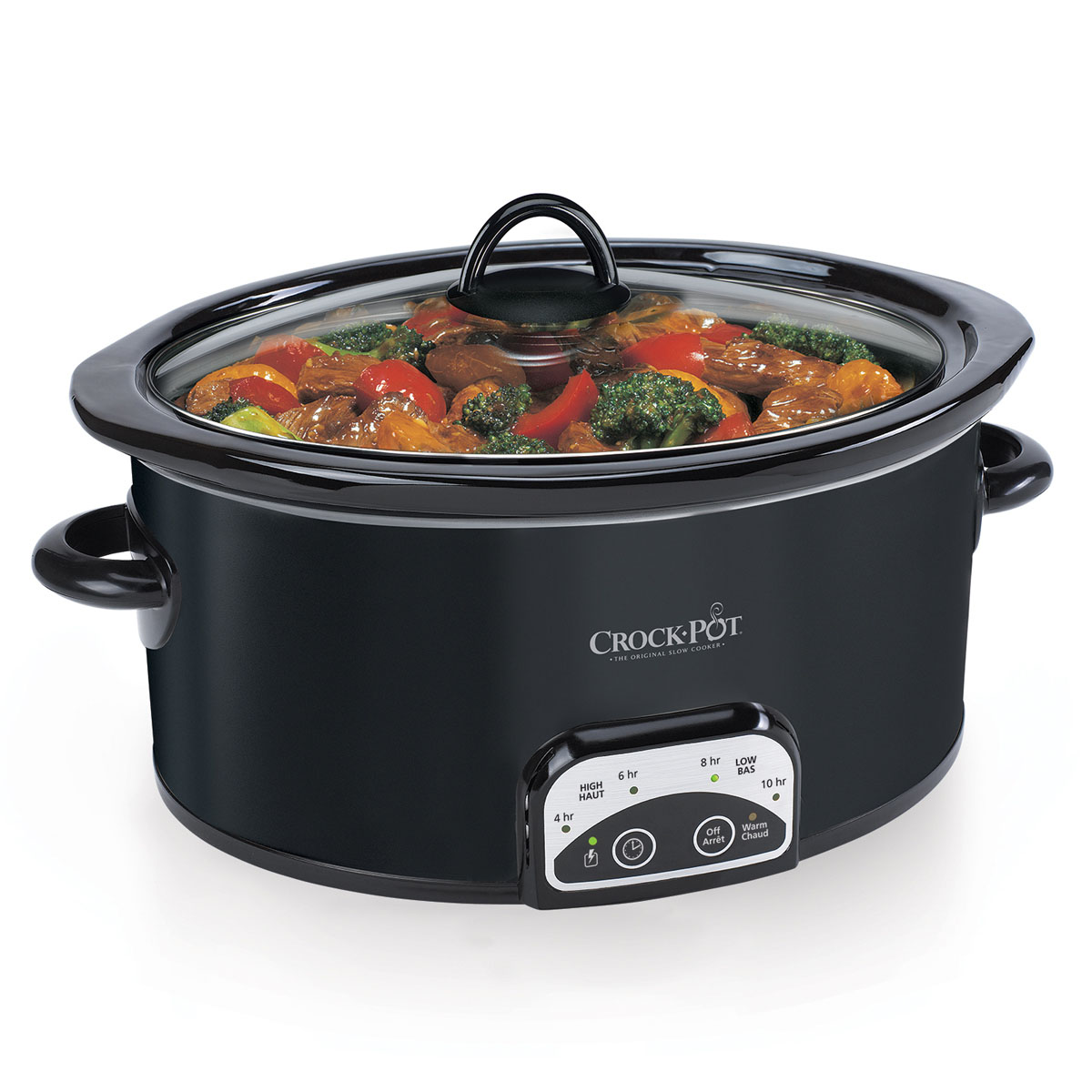
A slow cooker pot is an electric countertop appliance with a heated base, a removable cooking vessel, and a lid. The cooking vessel may be made of ceramic or another heat-safe material. Many people call the appliance a Crock-Pot, although Crock-Pot is a brand name.
A slow cooker cooks food with steady, gentle heat. The covered pot traps steam, which helps keep food moist. This makes it useful for soups, stews, beans, chili, shredded meat, and many one-pot meals.
Most slow cookers have these settings:
- Low: Slow, gentle cooking for longer periods.
- High: Faster cooking at a higher heat.
- Warm: Holds cooked food at a serving temperature for a short time. It is not meant to cook raw food.
Slow cookers vary by size, shape, heating pattern, and control type. For that reason, cooking times in a recipe are estimates. Your model’s manual and the recipe’s instructions should guide the final decision.

What You Need Before You Start
Gather the slow cooker, its removable pot, the lid, ingredients, a cutting board, a knife, measuring tools, and a food thermometer. A thermometer is especially useful for meat, poultry, leftovers, and large batches.
Check the slow cooker before each use:
- Make sure the inner pot is clean and dry.
- Check the lid for cracks.
- Look for damage to the power cord or plug.
- Place the cooker on a flat, heat-safe surface.
- Keep the cooker away from the edge of the counter.
- Make sure the heating base is dry before placing the inner pot inside.
Do not put the ceramic cooking pot directly on a stovetop or under a broiler unless the manufacturer clearly says it is designed for that use. A sudden temperature change can crack some ceramic pots.
Choose a slow cooker that gives the food room to heat. A pot that is too full may cook slowly and unevenly. A pot that is nearly empty may dry out food or cook it faster than expected.

How to Use a Slow Cooker Pot Step by Step
1. Read the recipe from start to finish
Check the cooking time, ingredient order, liquid amount, and any steps that happen near the end. Some recipes require you to add dairy, pasta, seafood, or fresh herbs later rather than at the beginning.
If the recipe does not state the slow cooker size, compare the amount of food with the capacity of your pot. Most recipes work best when the cooker is about half to two-thirds full.
2. Thaw meat and poultry in the refrigerator
Do not place frozen meat or poultry straight into a slow cooker. Frozen food can spend too long in the temperature range where bacteria grow quickly.
Thaw meat in the refrigerator, in cold water, or in a microwave if you will cook it right away. The U.S. Department of Agriculture advises thawing meat and poultry before adding them to a slow cooker.
3. Cut food into similar-size pieces
Cut vegetables and meat into pieces that are close in size. Similar pieces cook more evenly.
Dense vegetables, such as carrots and potatoes, often take longer than meat. Cut them into smaller pieces and place them near the bottom or sides of the pot, where heat is strongest.
4. Brown meat when the recipe calls for it
Browning meat in a skillet before slow cooking can improve its color and flavor. It also lets you drain some excess fat.
This step is optional for many recipes. A slow cooker can cook raw, thawed meat safely when used correctly, but it does not brown food. If you skip browning, the finished dish may have a softer color and a less roasted flavor.
5. Add ingredients in the right order
A common order is:
- Firm vegetables and beans.
- Raw, thawed meat.
- Seasonings.
- Liquid, sauce, or broth.
- More delicate ingredients added later.
Keep large pieces of meat in a single layer when possible. Do not pack food tightly into a solid block.
6. Add enough liquid, but do not flood the pot
Slow cookers lose less water than uncovered pots. Meat and vegetables also release liquid as they cook. A recipe may need less liquid than a stovetop stew.
Food should generally be partly covered by liquid, not completely submerged unless the recipe says so. Too much liquid can make a sauce thin and weaken the flavor.
If you adapt a stovetop recipe, start by reducing the liquid modestly rather than adding the full amount. You can add more liquid later, but removing it from a slow cooker is harder.
7. Secure the lid and choose a setting
Put the lid on firmly. Select Low or High based on the recipe.
Avoid lifting the lid to check the food. Each lift lets heat and steam escape and may extend the cooking time. If you must check, do it near the end of the stated cooking period.
8. Cook until the food is tender and safe
Tenderness is a useful sign for stews and tough cuts of meat, but tenderness alone is not enough for food safety. Use a food thermometer for meat and poultry.
The thermometer should reach the thickest part of the food without touching bone. Use these U.S. food-safety targets:
| Food | Minimum internal temperature |
|---|---|
| Poultry, including chicken and turkey | 165°F |
| Ground beef, pork, lamb, and veal | 160°F |
| Whole cuts of beef, pork, lamb, and veal | 145°F, followed by a 3-minute rest |
| Leftovers and casseroles | 165°F |
The USDA provides these temperature standards for safe cooking. A slow cooker recipe may require a higher temperature for texture, such as when a tough roast must become tender.
9. Finish the dish
Add ingredients that can break down during long cooking near the end. These may include:
- Milk, cream, sour cream, or soft cheese
- Cooked pasta
- Seafood
- Fresh herbs
- Quick-cooking vegetables
- Thickening mixtures
Taste the food only after the meat and other ingredients are fully cooked. Adjust salt, pepper, acid, herbs, or heat at the end.

How Long Does Food Take in a Slow Cooker?
Cooking time depends on the food’s size, starting temperature, amount, liquid level, and the slow cooker itself. The table below gives common planning ranges, not guarantees.
| Food type | Low setting | High setting | Signs it is ready |
|---|---|---|---|
| Stew with meat and vegetables | 7–9 hours | 3–5 hours | Meat is tender; vegetables are soft |
| Boneless chicken pieces | 4–6 hours | 2–3 hours | Thickest part reaches 165°F |
| Pot roast | 8–10 hours | 4–6 hours | Fork-tender and safely cooked |
| Chili | 6–8 hours | 3–4 hours | Hot throughout; flavors have blended |
| Dried beans | 7–10 hours | 4–6 hours | Beans are fully soft |
These ranges assume thawed ingredients and a normally working slow cooker. A large roast may take longer than small pieces. A full cooker may also need more time than a half-full cooker.
Do not use a simple “Low equals half of High” rule for every recipe. Some foods cook well on either setting, while others change texture or need a specific time. Follow the recipe when it gives both a setting and a time.
If a recipe gives only one setting, do not switch settings late in cooking unless the recipe allows it. A change can affect tenderness and final temperature.

How Full Should a Slow Cooker Be?
Fill the pot about half to two-thirds full for the most even cooking. Keep the food below the rim so the lid can seal and steam can circulate.
Avoid these extremes:
- Too full: Food may heat slowly, spill over, or cook unevenly.
- Too empty: Food may dry out or cook faster than expected.
- Packed tightly: Heat may not reach the center as expected.
- Lid pushed up by food: Steam can escape and cooking time may increase.
If you need to make a smaller batch, use a smaller slow cooker when possible. A small recipe in a large pot may not cook in the same way as the original recipe.
Do not place a second dish inside the slow cooker unless the manufacturer or recipe specifically supports that method. It can change heat flow and cooking time.

Common Slow Cooker Problems and Fixes
The food is still raw
The most likely causes are a short cooking time, a crowded pot, frozen ingredients, a faulty cooker, or a lid that was removed often.
Check the thickest part of the meat with a food thermometer. If it has not reached the safe temperature, continue cooking with the lid on. If the cooker does not heat properly, move the food to another cooking method, such as a covered oven-safe pan or stovetop pot, and contact the manufacturer if the appliance seems faulty.
Do not taste the food to decide whether it is safe.
The meat is tough
Tough meat often needs more time, not less. Cuts such as chuck roast, pork shoulder, and beef stew meat contain connective tissue that softens during long cooking.
Keep cooking until the meat becomes tender, provided the dish has remained at a safe temperature. Cutting a large roast into smaller pieces before cooking can help it cook more evenly.
The vegetables are hard
Dense vegetables may need smaller cuts or more time. Place potatoes, carrots, and other firm vegetables near the bottom of the pot. Add delicate vegetables later if they become too soft.
Acidic ingredients, such as tomatoes, may also slow the softening of beans and some vegetables. If a recipe includes dried beans, follow a tested recipe rather than adding uncooked beans without guidance.
The sauce is watery
A slow cooker holds in moisture, so sauces may not reduce as they do in an uncovered pan. You can thicken the dish near the end with a cornstarch slurry or another method suited to the recipe.
To make a cornstarch slurry, mix cornstarch with cold water until smooth, then stir it into the hot liquid. Cook with the lid on for a short period and check the texture. Use the amount stated in the recipe when possible.
The dish tastes bland
Slow cooking can soften the sharpness of some seasonings. Taste the finished food and add salt, pepper, herbs, spice, or a small amount of acid, such as lemon juice or vinegar.
Do not add large amounts of salt at the start unless the recipe has been tested with that amount. Broth, canned foods, sauces, and cured meats may already contain a lot of sodium.
The food is greasy
Trim visible fat before cooking and brown fatty meat first if the recipe permits. You can also chill the finished liquid and remove the solid fat from the top.
Do not pour cooking fat down the drain. Let it cool, place it in a container, and discard it according to local waste rules.

Slow Cooker Food Safety and Cleaning
Keep the lid on during cooking and avoid using the Warm setting as a substitute for refrigeration. The USDA recommends keeping hot food at 140°F or above and refrigerating perishable leftovers within two hours. If the room is above 90°F, refrigerate leftovers within one hour.
Divide a large batch into shallow containers so it cools more quickly. Store leftovers in the refrigerator and use them within the time recommended by the USDA or your local food-safety authority. Reheat leftovers to 165°F.
To clean the slow cooker:
- Unplug the appliance and let it cool.
- Remove the inner pot.
- Wash the pot and lid according to the manual.
- Dry the parts before storing them.
- Wipe the heating base with a damp cloth.
- Never immerse the electrical base in water.
Some inner pots and lids are dishwasher-safe, but check the manual first. Do not use a cracked ceramic pot or a damaged lid. Replace damaged parts through the manufacturer when possible.
Foods That Need Extra Care
Some ingredients do not perform well when added at the start of a long cook.
Dairy
Milk, cream, and soft cheese may curdle or separate. Add them near the end unless the recipe was designed for long cooking.
Pasta and rice
Pasta can turn mushy. Rice can absorb too much liquid or cook unevenly. Add them later or cook them separately, unless the recipe gives slow cooker-specific directions.
Seafood
Fish and shellfish cook quickly. Add them near the end to reduce the chance of a dry or rubbery texture.
Dried beans
Some dried beans, especially red kidney beans, can contain naturally occurring toxins when raw or undercooked. Follow a tested recipe that gives proper soaking and boiling instructions. Do not assume that every dried bean recipe can go straight into a slow cooker.
Frozen vegetables
Frozen vegetables can release water and lower the temperature of the dish. Add them according to the recipe, often during the later part of cooking.
Alcohol
Alcohol does not always cook away as quickly in a covered slow cooker as it does in an uncovered pan. Use the amount stated in a tested recipe, especially when serving children, pregnant people, or anyone avoiding alcohol.

What to Do After Slow Cooking
Check the texture, temperature, and liquid level before serving. If the food is safe but the sauce is thin, thicken it separately or leave the lid off briefly only if the cooker manual permits it.
Transfer leftovers to shallow containers. Do not leave the full crock on the counter to cool for hours. A large, deep batch can cool slowly in the center.
For meal planning, label containers with the date. Reheat only the portion you plan to eat. Repeated warming and cooling can reduce quality and increase food-safety risk.
A slow cooker is best for meals that benefit from steady heat and time. It is less useful for foods that need crisp surfaces, quick searing, or precise short cooking.

Frequently Asked Questions
Can I put raw meat in a slow cooker?
Yes, you can put thawed raw meat in a slow cooker. Arrange it so heat can reach it, keep the lid on, and cook it until it reaches the correct internal temperature. Browning is optional and mainly improves flavor and color.
Can I use a slow cooker overnight?
You can use a slow cooker overnight if the appliance is in good condition, placed on a clear heat-safe surface, and used according to its manual. Choose a recipe with a suitable cooking time, and do not leave food sitting at room temperature after cooking.
Should I put water in a slow cooker?
Most slow cooker recipes need some liquid, but the amount varies. Meat and vegetables release moisture, and the lid traps steam. Add the amount in the recipe rather than filling the pot with water.
Can I leave the lid off while cooking?
Keep the lid on whenever possible. Removing it releases heat and steam and may lengthen cooking time. Open it only when the recipe tells you to add an ingredient or when you need to check the food near the end.
Can I use a slow cooker pot in the oven?
Only use the removable pot in an oven if the manufacturer specifically says it is oven-safe and gives a temperature limit. Never place the electrical heating base in an oven.
Final Takeaway
To use a slow cooker pot, add thawed ingredients to a clean cooker, fill it halfway to two-thirds full, use the recipe’s liquid and timing, secure the lid, and cook on Low or High until the food is tender and reaches a safe temperature. Keep dairy, pasta, seafood, and fresh herbs for later when the recipe calls for it.
For your next meal, start with a tested slow cooker recipe, use a food thermometer, and write down how your appliance performs. That small note will help you adjust cooking time and liquid the next time you make the dish.