Introduction
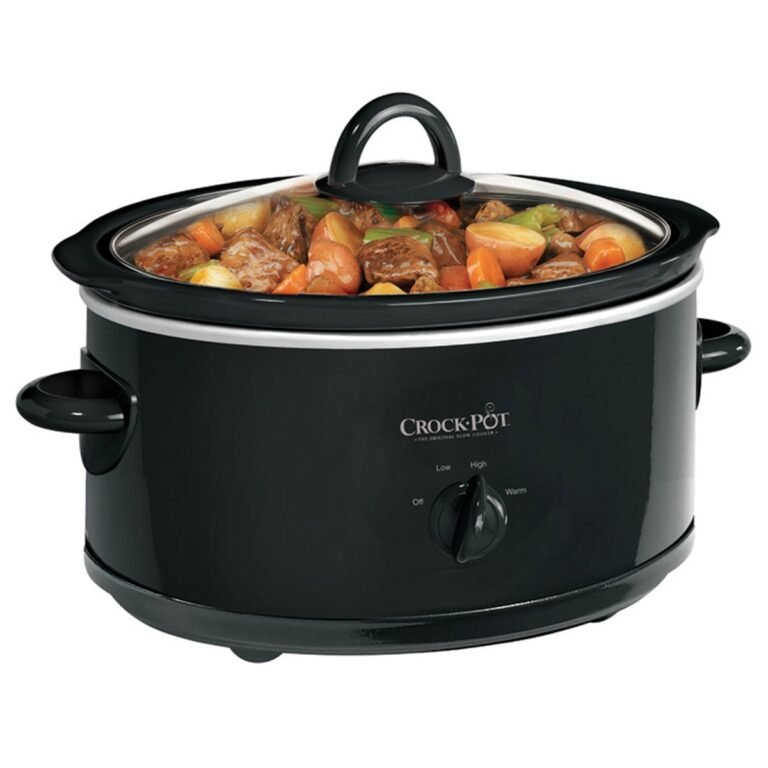
You can make tender, juicy pulled pork without a slow cooker by braising a pork shoulder in a covered Dutch oven or roasting pan. Cook it low and slow in a 325°F U.S. oven with a little liquid until the meat is soft enough to shred.
This method works well for an American barbecue dinner, game-day sandwiches, tacos, baked potatoes, and potlucks. It takes about 4 to 6 hours, depending on the size and shape of the pork.
The key is not a special appliance. The key is steady heat, a covered pan, enough moisture, and patience.

What You Need to Make Pulled Pork in the Oven
For the best texture, use a well-marbled cut of pork shoulder. In U.S. grocery stores, you may see these names:
- Boston butt or pork butt: The upper part of the shoulder. It has good fat and often cooks evenly.
- Picnic shoulder: The lower part of the shoulder. It can make excellent pulled pork but may have more skin or connective tissue.
- Pork shoulder: A general name that may refer to either cut.
A boneless pork butt is easy to cut and shred. A bone-in pork butt can offer strong flavor and may stay moist, but it can take longer to cook.
Basic ingredients
For about 6 to 8 servings, use:
- 4 to 5 pounds pork butt or pork shoulder
- 1 tablespoon kosher salt
- 1 to 2 tablespoons brown sugar
- 1 tablespoon smoked paprika
- 2 teaspoons garlic powder
- 2 teaspoons onion powder
- 1 teaspoon black pepper
- 1 teaspoon chili powder, optional
- 1 tablespoon vegetable oil
- 1 cup low-sodium chicken stock, apple juice, or water
- 2 tablespoons apple cider vinegar, optional
- Barbecue sauce, for serving
You will also need:
- A Dutch oven with a lid, or a deep roasting pan
- Aluminum foil if your pan has no tight lid
- Tongs
- A meat thermometer
- Two forks or meat claws
- A large bowl for shredding
A deep pan matters because it holds the liquid and prevents splashes. The lid or foil traps steam, which helps keep the pork from drying out.

The Best Oven Temperature for Pulled Pork
Cook pulled pork at 300°F to 325°F. A lower oven temperature gives the connective tissue more time to soften, while 325°F can shorten the cooking time.
For a simple balance of tenderness and speed, use 325°F.
Pork shoulder may be safe to eat before it is tender enough to pull. The U.S. Department of Agriculture says whole cuts of pork should reach at least 145°F, followed by a three-minute rest. Pulled pork needs more cooking than that because heat and time must break down collagen, the tough connective tissue in the meat.
Most pork shoulders become easy to shred somewhere around 195°F to 205°F, but temperature is only a guide. The real test is tenderness. A probe or fork should slide into the meat with little resistance.
Approximate cooking times
Cooking time varies with the cut, bone, pan, oven, and starting temperature.
| Pork size | Approximate oven time at 325°F |
|---|---|
| 3 pounds | 3 to 4 hours |
| 4 pounds | 4 to 5 hours |
| 5 pounds | 5 to 6 hours |
| 6 to 7 pounds | 6 to 7 hours |
These times are estimates, not guarantees. Start checking the pork when it reaches the lower end of the range. Use tenderness, not the clock alone, to decide when it is done.

How to Make Pulled Pork Without a Slow Cooker
Follow these steps for oven-braised pulled pork.
1. Trim the pork shoulder
Remove thick, hard pieces of fat and loose flaps of meat. Leave a thin layer of soft fat in place. Fat adds flavor and helps protect the meat during the long cook.
If the pork has skin, remove it unless you specifically want a crisp skin topping. Skin can block the seasoning and will not become crisp in a covered braise.
Pat the pork dry with paper towels. Dry meat helps the seasoning stick and improves browning.
2. Apply the dry rub
Mix the salt, brown sugar, smoked paprika, garlic powder, onion powder, black pepper, and chili powder.
Rub the seasoning over every side of the pork. If you have time, cover the pork and refrigerate it for 8 to 24 hours. This gives the salt more time to move into the meat.
If you need to cook it right away, let the seasoned pork sit at room temperature for about 20 to 30 minutes while the oven heats. Do not leave raw pork at room temperature for an extended period.
3. Brown the pork
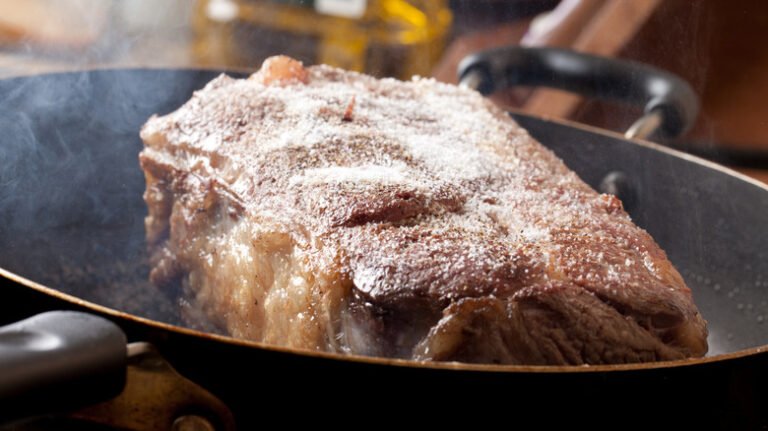
Heat the oil in a large Dutch oven over medium-high heat. Brown the pork on several sides, working in batches if needed.
Each side may take about 3 to 5 minutes. The goal is a deep brown crust, not a fully cooked center.
Browning is optional, but it adds roasted flavor. If your roasting pan cannot go on the stovetop, brown the pork in a skillet or skip this step.
4. Add the cooking liquid
Place the browned pork in the Dutch oven with the fat side facing up when possible. Pour the stock, apple juice, or water around the pork. Add the apple cider vinegar if using it.
The liquid should cover only about one-quarter to one-third of the meat. You are braising the pork, not boiling it. Too much liquid can dilute the flavor and make the outer bark soft.
Scrape the browned bits from the bottom of the pan. Those bits add flavor to the cooking juices.
5. Cover and cook
Put the lid on the Dutch oven. If you are using a roasting pan, cover it tightly with two layers of aluminum foil.
Bake at 325°F until the pork is very tender. Start checking after about 4 hours for a 4-pound roast.
Keep the pan covered during most of the cooking time. Every time you open the oven, heat and steam escape. If the liquid is nearly gone, add a small amount of hot stock or water.
6. Check for tenderness
Insert a meat thermometer into the thickest part of the pork, avoiding the bone if it has one. The pork may be ready to shred around 195°F to 205°F, but the thermometer reading is not the only test.
Try these checks:
- A fork twists easily in the meat.
- A probe slides into the center with little resistance.
- The pork separates into strands when pressed.
- The bone, if present, pulls out with little effort.
If the pork still feels tight or springy, cover it and keep cooking. Check it again every 20 to 30 minutes.
7. Rest the pork
Move the cooked pork to a large dish or cutting board. Tent it loosely with foil and let it rest for 20 to 30 minutes.
Resting gives the hot juices time to settle. It also makes the meat easier to handle and shred.
8. Shred and season
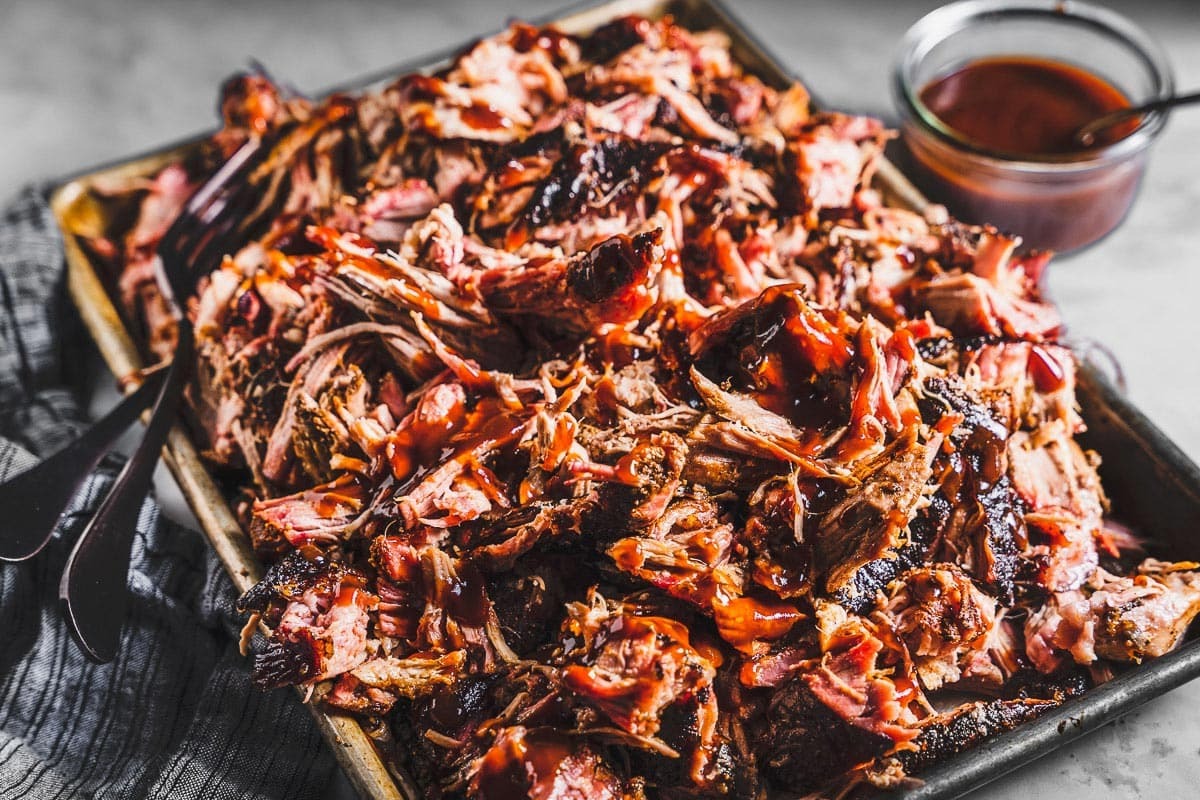
Remove large pieces of fat, gristle, and bone. Pull the pork apart with two forks or meat claws.
Taste the meat before adding sauce. Stir in a little of the strained cooking liquid to restore moisture. Add barbecue sauce, vinegar sauce, hot sauce, or extra dry rub as desired.
For a stronger crust, spread the shredded pork on a baking sheet and broil it briefly. Watch it closely because the sugars in barbecue sauce can burn quickly.
How to Make Pulled Pork on the Stovetop
A heavy Dutch oven can also make pulled pork on the stovetop. This method is useful if you do not want to use the oven, but it needs closer attention.
Brown the pork, add the cooking liquid, and cover the pot. Bring the liquid to a gentle simmer, then turn the heat to low.
The liquid should show only a few small bubbles. A rapid boil can make the outside of the pork tough and can cause the liquid to evaporate too fast.
Cook for about 4 to 6 hours, turning the meat once or twice if needed. Check the liquid every 30 to 45 minutes and add more hot water or stock if the pan looks dry.
A stovetop simmer may vary more than oven heat. If the pot cannot hold a steady low simmer, the oven method is usually more reliable.

How to Keep Oven Pulled Pork Moist
Moist pulled pork comes from the cut, the cooking method, and the finishing step.
Use these practices:
- Choose pork shoulder with visible marbling.
- Keep the pan covered during the braise.
- Use only enough liquid to create a moist cooking environment.
- Avoid cooking at very high heat.
- Do not shred the pork before it is tender.
- Rest the meat before pulling it apart.
- Mix the shredded pork with some defatted cooking juices.
If the pork seems dry, do not immediately add a large amount of barbecue sauce. First, add warm stock or reserved cooking juices a few spoonfuls at a time. Sauce can cover dryness, but it cannot restore the original texture.
If the pork is wet on the outside, place the shredded meat on a baking sheet and cook it uncovered at 400°F for a few minutes. Stir once or twice until the surface reaches the texture you want.

What to Do If the Pork Is Tough
Tough pulled pork usually needs more time, not more heat.
If the pork has reached 190°F but does not shred easily, cover it again and continue cooking. Collagen may not have fully softened yet.
Check these possible causes:
| Problem | Likely cause | Fix |
|---|---|---|
| Meat is firm and hard to pull | It needs more cooking | Cover and cook in 20- to 30-minute intervals |
| Outside is dry | Pan was uncovered or had too little liquid | Add a little warm stock and cover tightly |
| Pork is bland | Rub or finishing sauce lacked salt and acid | Add salt, vinegar, or sauce after shredding |
| Bottom is burned | Heat was too high or pan dried out | Move the pork to a clean pan with fresh liquid |
| Pork is greasy | Excess fat melted into the juices | Chill or skim the juices before mixing them in |
| Pork is stringy but not tender | It may have been pulled too early | Return it to the covered pan and cook longer |
Do not use a high oven temperature to force the pork to finish quickly. That can dry the outside before the center becomes tender.

How to Store, Reheat, and Freeze Pulled Pork
Cool leftover pork promptly and place it in shallow containers. Refrigerate it within two hours of cooking, or within one hour if the room temperature is above 90°F, following USDA food-safety guidance.
Store pulled pork in the refrigerator for up to 3 to 4 days. For longer storage, freeze it in airtight containers or freezer bags. Remove as much air as practical to reduce freezer burn.
To reheat:
- Put the pork in a covered pan.
- Add a small amount of stock, water, or cooking juices.
- Heat gently in a 300°F oven until hot.
- Stir once or twice.
You can also reheat small portions in the microwave. Cover the dish and stir between heating intervals so the meat warms more evenly.
For food safety, reheat leftovers to 165°F, as advised by the USDA.

Serving Ideas for Homemade Pulled Pork
Pulled pork works with more than sandwiches. Try it with:
- Soft hamburger buns and coleslaw
- Cornbread and baked beans
- Macaroni and cheese
- Rice and black beans
- Corn tortillas, onions, and cilantro
- Baked potatoes
- Nachos
- Grilled cheese
- Breakfast hash
- Salad greens with a sharp vinegar dressing
Use a sweet barbecue sauce for a richer sandwich. Choose a vinegar-based sauce if the pork tastes heavy or fatty. A little acid can make the meat taste brighter.
For a simple sandwich, pile the pork onto a toasted bun, add a spoonful of sauce, and top it with crunchy slaw. The soft meat, crisp cabbage, and sharp dressing balance one another.

Key Takeaways
- Use a 3- to 6-pound pork shoulder or Boston butt.
- Season the pork well and brown it if possible.
- Cook it covered at 325°F with a small amount of liquid.
- Expect about 4 to 6 hours for a typical 4- to 5-pound roast.
- Use temperature as a guide, but rely on tenderness for the final decision.
- Rest the pork for 20 to 30 minutes before shredding.
- Add cooking juices, sauce, or vinegar after shredding.
- Refrigerate leftovers within two hours and reheat them to 165°F.
Frequently Asked Questions
Can I make pulled pork without adding liquid?
You can roast pork shoulder without liquid, but a covered braise is more forgiving. Liquid creates steam and gives you flavorful juices to mix with the shredded pork. If you cook the pork uncovered, use a lower temperature and watch it closely to reduce the risk of drying.
Can I use pork loin for pulled pork?
Pork loin is leaner than pork shoulder and can dry out during a long cook. It may be sliced or chopped after cooking, but it usually does not produce the rich, silky texture associated with classic pulled pork. Pork shoulder is the better choice.
Should I remove the fat cap before cooking?
Remove thick, hard fat, but leave a thin layer of soft fat when possible. The fat can protect the surface and add flavor. After cooking, remove any large pieces of fat before serving.
Can I make pulled pork ahead of time?
Yes. Pulled pork often reheats well when stored with some cooking juices. Cook it up to 3 to 4 days ahead, refrigerate it promptly, and reheat it gently in a covered pan.
Why did my pulled pork turn out dry?
The pork may have been too lean, cooked uncovered, cooked at too high a temperature, or left in the oven too long after it became tender. Mix in warm cooking juices or stock, then add sauce gradually. For the next batch, keep the pan tightly covered and begin checking tenderness sooner.
Can I cook frozen pork shoulder in the oven?
For more even cooking, thaw the pork in the refrigerator first. The USDA advises against cooking large frozen cuts when the center may remain cold while the outside overcooks. Plan ahead and allow enough refrigerator time for safe thawing.
Conclusion
The best way to make pulled pork without a slow cooker is to use a covered Dutch oven or roasting pan in a moderate oven. Season and brown the pork, add a small amount of liquid, and cook it at 325°F until it is soft enough to shred.
Do not stop only because the pork reaches a certain temperature. If it does not pull apart easily, cover it and keep cooking. Once tender, let it rest, shred it, and balance the meat with cooking juices, barbecue sauce, or a splash of vinegar.