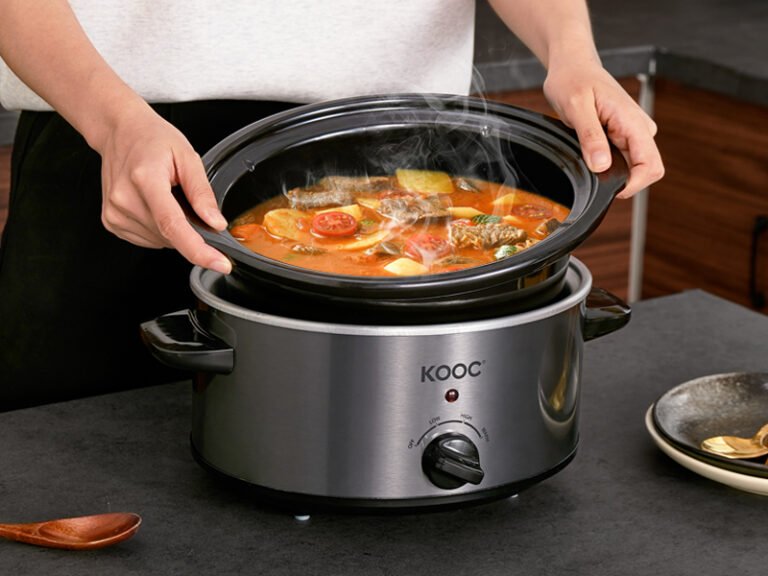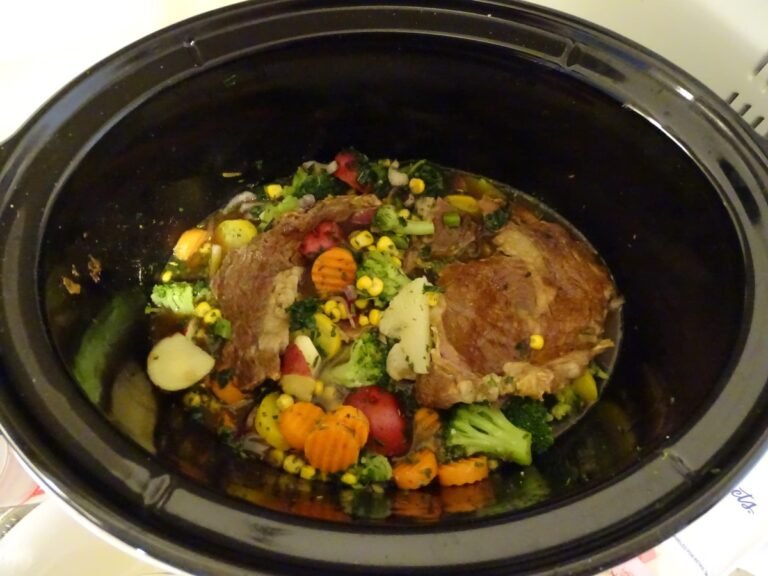
The easiest way to thicken beef stew in a slow cooker is to make a cornstarch slurry near the end of cooking. Mix 1 tablespoon of cornstarch with 1 tablespoon of cold water for about 2 cups of stew liquid. Stir it into the hot stew, cover, and cook on high for 15 to 30 minutes, until the broth looks rich and coats a spoon.
Across U.S. kitchens, slow cooker beef stew often turns out thinner than expected. Meat and vegetables release water as they cook, while the covered cooker traps steam. The result can be tender beef with a broth that needs more body.
The secret to a perfect gravy is to whisk in a small amount of your chosen thickener, give it ample time to activate in the heat, and only add more if absolutely necessary. Let’s see How To Thicken Beef Stew In A Slow Cooker so you can achieve that perfectly rich, hearty texture every time.

The Best Way to Thicken Beef Stew in a Slow Cooker
A cornstarch slurry is usually the best choice because it works fast, adds little flavor, and does not require a separate pan.
What you need
- 1 tablespoon cornstarch
- 1 tablespoon cold water
- A small bowl
- A whisk or fork
How to make the slurry
- Remove the slow cooker lid.
- Mix the cornstarch and cold water in a bowl.
- Stir until the mixture is smooth.
- Pour the slurry into the stew.
- Stir gently to spread it through the liquid.
- Cover the slow cooker.
- Set it to HIGH and cook for 15 to 30 minutes.
- Check the texture before adding more.
Do not sprinkle dry cornstarch straight into the slow cooker. It can form small lumps that are hard to break up.
If the stew is still thin, make a second, smaller slurry. Try 1 teaspoon cornstarch mixed with 1 teaspoon cold water. Add it, wait another 10 to 15 minutes, and check again.
Cornstarch thickens best when it reaches a hot temperature. A slow cooker set to low may not activate it as quickly, so the high setting helps at the end.

How Much Cornstarch Should You Use?
Use the amount of liquid as a starting point, not a strict rule. Stew thickness also depends on the amount of gelatin from the beef, the vegetables, and how much the liquid has reduced.
| Amount of stew liquid | Starting amount of cornstarch | Cold water |
|---|---|---|
| 2 cups | 1 tablespoon | 1 tablespoon |
| 4 cups | 2 tablespoons | 2 tablespoons |
| 6 cups | 3 tablespoons | 3 tablespoons |
These amounts create a moderately thick stew. For a lighter broth, use about half the amount. For a very thick gravy-like sauce, add more in small steps.
It is better to add too little than too much. An overly thick stew can become gluey, especially after it cools. You can always add another slurry, but thinning an over-thickened stew may require extra broth.
If you are unsure how much liquid is in the cooker, spoon some broth into a measuring cup. You do not need to remove all the liquid. A close estimate is enough.

Step-by-Step: Thicken Beef Stew Without Removing the Beef
Use this method when the stew is already cooked or nearly done.
1. Check the broth first
stir the stew gently. Look at the liquid between the beef and vegetables. If it seems watery, taste it before thickening.
A thin stew may also need more salt, pepper, herbs, or acidity. Thickening changes the texture, but it does not correct weak flavor.
2. Remove excess fat if needed
If a layer of fat floats on top, skim some off with a spoon. Too much fat can make the stew feel thin, even when the broth has some body.
Do not remove all the fat if the stew tastes balanced. A small amount can carry flavor and improve the mouthfeel.
3. Make a cold slurry
Use cold water, stock, or wine. Add the liquid to the cornstarch and stir until smooth.
Cold liquid keeps the starch from forming lumps before it reaches the stew.
4. Stir it into the liquid
Pour the slurry around the surface of the stew. Stir gently from the edges toward the center.
Avoid vigorous stirring if the beef is already tender. Large chunks can break apart.
5. Cook on high
Replace the lid and cook on high for 15 to 30 minutes. Keep the lid closed during this time.
Each time you lift the lid, heat escapes. That can slow both thickening and cooking.
6. Check the final texture
The stew is ready when the broth lightly coats a spoon. It should flow slowly but still pour.
Remember that the sauce will thicken a little more as it cools. Stop before it reaches the exact thickness you want at the table.

Other Ways to Thicken Slow Cooker Beef Stew
Cornstarch is convenient, but it is not the only option. Choose the method based on the ingredients already in the stew and the texture you want.
Use a flour slurry
Mix 2 tablespoons of all-purpose flour with ¼ cup of cold water. Stir it into about 4 cups of stew liquid, then cook on high for 20 to 30 minutes.
Flour gives the stew a softer, more traditional gravy texture. It may also leave a slight flour taste if it does not cook long enough.
Flour contains wheat, so this method is not suitable for a gluten-free stew unless you use a tested gluten-free flour blend.
Make a roux
A roux combines equal parts fat and flour. For example:
- 2 tablespoons butter or beef fat
- 2 tablespoons all-purpose flour
Melt the fat in a saucepan. Whisk in the flour and cook for 1 to 2 minutes. Slowly whisk in some hot stew liquid, then stir the mixture back into the slow cooker.
A roux adds a smooth, rich texture. It takes more work than a slurry, but it is useful when you want the stew to resemble a classic beef gravy.
Use beurre manié
Beurre manié is a paste made from equal parts softened butter and flour. Mix:
- 1 tablespoon softened butter
- 1 tablespoon all-purpose flour
Pinch the paste into small pieces and stir them into the hot stew. Cook on high until the flour is fully cooked and the sauce thickens.
This method adds richness. Add small pieces at a time because extra butter can make the stew greasy.
Mash some vegetables
Remove a few cooked potatoes, carrots, or beans. Mash them with a fork, then stir them back into the stew.
This thickens the broth without adding flour or starch. It also keeps the stew’s original flavor.
Potatoes work especially well. They release starch as they break down, which gives the sauce a soft, hearty texture.
Blend part of the stew
For a thicker, rustic sauce, remove one or two cups of vegetables and broth. Blend them carefully, then return the purée to the slow cooker.
Do not blend hot liquid in a sealed blender. Steam can build pressure and force the lid off. Use an immersion blender in the cooker, or let the mixture cool slightly before using a blender with a vented lid.
Reduce the liquid
If the beef and vegetables are already tender, leave the lid slightly ajar and cook on high. This allows some steam to escape.
Reduction can improve flavor because it concentrates the broth. It takes longer than cornstarch and may make the stew saltier, so taste before adding more seasoning.

Which Thickener Should You Choose?
The best choice depends on the finish you want.
| Thickener | Best for | Main benefit | Main limitation |
|---|---|---|---|
| Cornstarch | Quick thickening | Fast and smooth | Can become gummy if overused |
| Flour slurry | Classic stew gravy | Soft, familiar texture | Needs enough cooking time |
| Roux | Rich, full sauce | Adds body and flavor | Requires a separate pan |
| Mashed vegetables | Rustic stew | No added flour or starch | Can make the sauce less smooth |
| Puréed vegetables | Thick, hearty broth | Adds natural body | May change the stew’s texture |
| Reduction | More concentrated flavor | No added thickener | Takes time and may increase saltiness |
| Arrowroot | Glossy, clear sauce | Works well for gluten-free cooking | Can lose texture if overheated |
Arrowroot powder can replace cornstarch at a similar starting amount. Mix it with cold water first. Add it near the end of cooking, because long exposure to high heat can weaken its thickening effect.
Instant tapioca can also thicken some slow cooker stews. It usually goes in before cooking, so it is less useful when you are trying to repair a finished stew.

Why Is Your Slow Cooker Beef Stew Still Thin?
A thin stew usually has one of four causes: too much liquid, too little reduction, weak starch activation, or excess fat.
You added too much broth
Many slow cooker recipes need less liquid than stovetop recipes. The cooker loses very little water because the lid traps steam.
If you used extra stock, wine, or water, the stew may simply need more time to reduce. You can also use a slurry to fix it near the end.
The lid stayed closed
A sealed slow cooker holds moisture. That helps tenderize the beef, but it also limits evaporation.
If the stew is cooked and the broth is thin, open the lid slightly and cook on high. Watch the salt level as the liquid reduces.
The thickener did not get hot enough
Cornstarch and flour need heat to thicken. A slurry added while the cooker is on low may need more time.
Switch to high and wait 15 to 30 minutes. Stir once, then check the sauce.
The slurry was lumpy
Lumps form when starch meets hot liquid before it disperses. Always mix the starch with cold liquid first.
If lumps already formed, strain some broth into a bowl, whisk it smooth, and return it to the cooker. A stick blender can help, but it may break up the vegetables.
The stew feels greasy instead of thin
Fat does not thicken like starch. It can float on top and make the broth seem loose.
Skim off some fat before adding more thickener. Otherwise, the finished stew may be both greasy and overly thick.

Common Mistakes to Avoid
Adding dry flour or cornstarch directly
Dry powder can clump. A cold slurry gives the starch an even start.
Adding all the thickener at once
The amount needed can vary by recipe. Add a small amount first, wait, and adjust.
Thickening too early
If you add a large amount of starch at the start, the sauce may become too thick as the stew cooks. It can also make stirring and heat flow less even.
For most slow cooker recipes, thicken during the last 15 to 30 minutes.
Using hot water for the slurry
Hot water can partially activate the starch before it reaches the stew. Cold water is the safer choice for a smooth mix.
Lifting the lid over and over
Slow cookers recover heat slowly. Keep the lid closed while the thickener works.
Expecting thick stew straight from the cooker
Steam and heat make a stew look looser. The sauce often firms as it cools for a few minutes.
Let the stew rest for 5 to 10 minutes before making a final judgment.

Food Safety for Slow Cooker Beef Stew
Keep raw beef and cooked stew separate. Wash hands, cutting boards, knives, and counters after they touch raw meat.
The USDA advises using a food thermometer to check meat and leftovers. Beef pieces should be cooked until tender, and the stew should be kept hot during serving. Refrigerate leftovers within 2 hours, or within 1 hour if the temperature is above 90°F.
Store leftovers in shallow containers so they cool more quickly. Use them within 3 to 4 days, or freeze them for longer storage.
Do not leave a slow cooker of stew on the counter to cool for many hours. Thick sauces can hold heat in the center while the surface cools, so quick storage matters.
For official U.S. food safety details, see the USDA FSIS guidance on leftovers and food safety.

Can You Thicken Beef Stew After It Has Finished Cooking?
Yes. Remove the lid, stir in a cold cornstarch slurry, and cook on high for 15 to 30 minutes. This is one of the safest ways to improve a finished slow cooker stew without making the beef tough.
If the beef is already very tender, stir with care. Use a spoon or silicone spatula rather than mixing hard from the bottom.
For the smoothest result, remove a cup of broth before making the slurry. Whisk the starch into that broth, then return it to the cooker.
Can You Thicken Beef Stew Without Cornstarch?
Yes. Use flour, arrowroot, mashed potatoes, puréed vegetables, or reduction.
Mashed potatoes are a good choice when you want a hearty stew with no added starch. Arrowroot works well when you need a gluten-free option and a glossy sauce.
Check every packaged ingredient if you are cooking for someone with celiac disease or a serious allergy. Cross-contact can occur during processing.
Should You Use Flour or Cornstarch for Beef Stew?
Use cornstarch for fast thickening and a smooth, glossy sauce. Use flour for a softer, more traditional gravy texture.
Cornstarch is naturally gluten-free, but the package and other ingredients still matter for people who must avoid gluten strictly.
How Do You Thicken Stew Without Changing the Flavor?
Use a small cornstarch slurry or reduce the broth with the lid slightly open. These methods add little new flavor.
Mashed vegetables also preserve the stew’s flavor, though they make the sauce more rustic. Avoid adding large amounts of flour, butter, or strong purées if you want the original taste to remain clear.
How Do You Fix Beef Stew That Became Too Thick?
Stir in warm beef broth, water, or unsalted stock one or two tablespoons at a time. Mix gently until the sauce loosens.
Taste again after thinning. The stew may need a small amount of seasoning if you added plain water.
Key Takeaways
- Use a cornstarch slurry for the fastest fix.
- Start with 1 tablespoon cornstarch plus 1 tablespoon cold water per 2 cups of liquid.
- Add the slurry near the end of cooking.
- Cook on high for 15 to 30 minutes.
- Add more thickener slowly.
- Use mashed vegetables or reduction when you want to avoid flour or starch.
- Let the stew rest briefly before judging the final texture.
Conclusion
To thicken beef stew in a slow cooker, begin with a small cornstarch slurry. Stir it into the hot stew, cook on high, and wait before adding more. This method is quick, easy, and unlikely to change the stew’s flavor.
If you prefer a classic gravy texture, use flour or a roux. For a rustic result, mash some potatoes or vegetables. Whatever method you choose, add the thickener in stages so the broth stays rich and spoonable instead of heavy or gummy.