If you want to cook rice daily, you face a tough choice: do you buy a dedicated Japanese rice cooker or a versatile multicooker? The classic battle of the instant pot vs zojirushi rice cooker comes down to your cooking style, family size, and counter space.
One is a jack-of-all-trades that can pressure cook stews and steam veggies. The other is a single-minded master of grain science. After weeks of using both side-by-side, I found that each has a very different sweet spot for home cooks.
Side-by-Side Specs Comparison
Before we dive into the daily details, let’s look at how these two units compare on paper. Their specs show a clear difference in design philosophy and heating style.
| Feature | Instant Pot Duo 7-in-1 | Zojirushi Neuro Fuzzy NS-ZCC10 |
|---|---|---|
| Price Tier | Mid-Range | Premium |
| Capacity (Cups Uncooked) | 6 Cups | 5.5 Cups |
| Heating Type | Thermal / Pressure | Fuzzy Logic (Micom) |
Make sure to check the current online price and specs before you make your final choice.
Unboxing and First Impressions
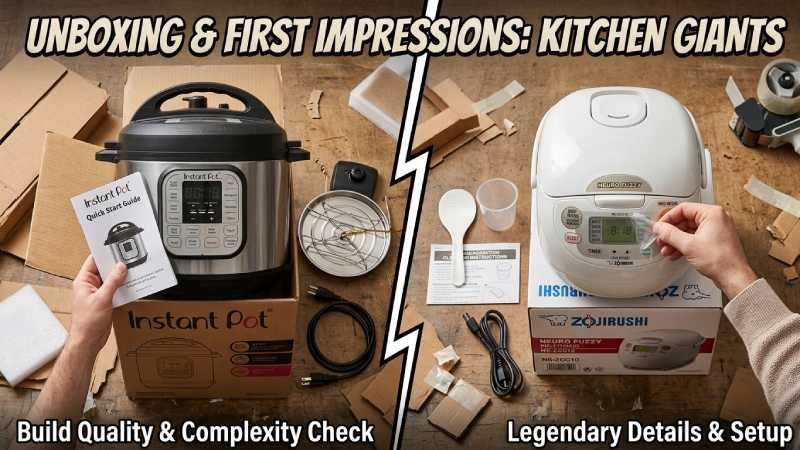
Unboxing these machines felt very different. The Instant Pot Duo arrived with a heavy stainless steel pot, a steam rack, and a thick lid with a heavy rubber ring. The Zojirushi Neuro Fuzzy felt lighter but highly specialized, coming with a plastic measuring cup, a rice paddle that clips to the side, and a clear, detailed user manual. There was a faint plastic smell from both on the first heat-up, which is normal and went away quickly after a test run with plain water.
My first batch of white rice in both showed their unique traits. The Instant Pot used pressure to finish the rice fast, but the grains stuck a bit to the stainless steel bottom. The Zojirushi took its time, playing a cheerful little tune when starting and finishing. It used a smaller cup (the classic 180 ml rice cup, not a standard 240 ml American cup) and produced perfectly cooked, non-stick rice with zero fuss.
Build Quality and Materials
Let’s look at how these machines are put together. They are both sturdy, but they use very different materials for their daily tasks.
Inner Pot Material and Coating
The Instant Pot uses a heavy, durable stainless steel inner pot with no non-stick coating. It is great for searing meat but means rice starch can stick like glue if you do not wash it quickly. The Zojirushi has a double-thick inner pot with a high-quality non-stick coating. Grains slide right out, but you must never use metal spoons or you will scratch it.
Lid Design and Steam Vent
The Instant Pot has a fully detachable, heavy plastic and steel lid with a thick silicone gasket that absorbs food smells easily. Its steam vent has a manual valve for pressure release. The Zojirushi has a hinged, non-removable outer lid with a detachable inner lid plate and a simple steam vent that vents gently without spraying starch.
Heating Plate and Controls
The Instant Pot relies on a flat heating plate at the bottom that works with pressure to cook fast. Its button panel is packed with presets but can look cluttered. The Zojirushi uses fuzzy logic sensors to adjust temperature on the fly, with a clear LCD display and simple, soft-press buttons.
Cord, Handle, and Overall Sturdiness
The Instant Pot has a detachable power cord and thick, sturdy handles on the outer housing. The Zojirushi features a neat, retractable power cord built into the base and a convenient carry handle that makes it easy to move around.
Safety Features
With its pressure system, the Instant Pot has lid-locking pins and safety valves to prevent opening under pressure. The Zojirushi uses simple cool-touch housing and an automatic shut-off to keep things safe.
Cooking Performance — instant pot vs zojirushi rice cooker
This is where the debate over the instant pot vs zojirushi rice cooker gets real. The texture of the rice is the biggest difference you will notice in your kitchen.
White rice in the Zojirushi comes out exceptionally fluffy with perfect grain separation and a glossy shine. Whether you make sushi rice or jasmine rice, the fuzzy logic microchip adjusts the heat so the grains do not mush together. In contrast, white rice in the Instant Pot is decent but tends to be denser and stickier. Because of the high heat and lack of a non-stick coating, you might find a thin, dry layer of rice at the bottom of the stainless steel pot.
For brown rice, the differences are even clearer. The Zojirushi has a dedicated brown rice setting that pre-soaks the grains, making it the best rice cooker for brown rice if you love a tender, soft texture. The Instant Pot cooks brown rice much faster under pressure, but the texture is chewier and less uniform. Small batches of rice (like a single cup) perform beautifully in the Zojirushi, while the Instant Pot needs at least two cups to build proper pressure without scorching the bottom.
Cooking Speed and Convenience
If you are trying to feed a hungry family on a busy weeknight, cooking speed matters just as much as texture. Let’s compare how fast they get food on your table.
| Feature | Instant Pot Duo 7-in-1 | Zojirushi Neuro Fuzzy NS-ZCC10 |
|---|---|---|
| White Rice Cook Time | Shorter (approx. 20 mins) | Longer (approx. 40-50 mins) |
| Brown Rice Cook Time | Shorter (approx. 30 mins) | Longer (approx. 80 mins) |
| Quick Cook Option | No (uses pressure manual) | Yes, cuts time to 30 mins |
While the Instant Pot saves time on busy weeknights, the Zojirushi requires less active monitoring. With the Zojirushi, you just rinse, press start, and walk away.
Keep-Warm Performance and Rice Freshness
Many busy families leave their cooker on all day. How well do these machines keep your grains fresh for hours?
| Feature | Instant Pot Duo 7-in-1 | Zojirushi Neuro Fuzzy NS-ZCC10 |
|---|---|---|
| Keep-Warm Duration | Up to 10 hours | Up to 24 hours |
| Rice Feel After 8 Hours | Dry, crusty at the bottom | Very good, still moist |
| Edge Yellowing or Crusting | Yes, moderate | No, minimal |
Leaving rice in the Instant Pot for more than two hours usually leads to a dry ring of yellowed rice at the bottom. The Zojirushi uses low, regulated heat to keep rice fresh for dinner even if you cooked it at breakfast.
Design and Controls
Your cooker sits on your counter, so it needs to look good and feel easy to use. Here is how their physical designs compare.
| Feature | Instant Pot Duo 7-in-1 | Zojirushi Neuro Fuzzy NS-ZCC10 |
|---|---|---|
| Exterior Material | Stainless steel and plastic | White high-grade plastic |
| Switch and Lights | Digital display with buttons | Clear LCD screen with buttons |
| Lid Type and Handle | Twist-to-lock removable lid | Hinged lid with carry handle |
The Zojirushi is much easier to store in a small kitchen because of its carry handle and retractable cord. The Instant Pot is bulky and can be hard to fit inside standard cabinets.
Noise, Steam, and Smell
Cooking can be a loud, messy process if your machine vents too much steam. The Instant Pot is mostly silent while building pressure, but it lets out a loud, sudden hiss and a plume of steam when you release the valve. It also tends to trap savory smells in its silicone lid gasket, meaning your next batch of white jasmine rice might smell slightly of last night’s beef stew.
The Zojirushi is quiet, except for its charming musical beeps when it starts and finishes. It vents steam in a gentle, steady trickle through its steam vent, with no starchy boil-over onto your counter. Because it is dedicated to grains, it keeps a clean, neutral smell that does not affect your rice flavor.
Capacity and Portion Control
Getting your rice-to-water ratio right depends on clear markings and the right cups. Here is how they handle portions.
| Feature | Instant Pot Duo 7-in-1 | Zojirushi Neuro Fuzzy NS-ZCC10 |
|---|---|---|
| Measuring Cup Included | Yes (standard plastic cup) | Yes (180 ml rice cup) |
| Water Line Clarity | Good (etched steel lines) | Excellent (bright, clear markings) |
| Best Batch Size | 3 to 6 cups | 1 to 5.5 cups |
The measuring cup in both boxes is the traditional 180 ml size, which is smaller than a standard 240 ml kitchen cup. For the best results, always use the cup that came in the box to measure your rice.
Ease of Use and Daily Routine
A good appliance should fit seamlessly into your morning or evening routine. Here is how they feel to wash and use every single day.
| Task | Instant Pot Duo 7-in-1 | Zojirushi Neuro Fuzzy NS-ZCC10 |
|---|---|---|
| Inner Pot Cleanup | Harder (requires scrubbing) | Easy (wipe with soft sponge) |
| Lid and Vent Cleanup | Moderate (must clean gasket/valves) | Easy (removable inner lid plate) |
| Risk of Boil-Over or Sticking | High risk of sticking | Extremely low risk |
The non-stick coating on the Zojirushi makes daily cleaning incredibly fast. The Instant Pot is a bit of a chore to clean when rice starch bakes onto the stainless steel.
Performance and Durability Over Time
Over weeks of daily use, both machines hold up well but show different wear patterns. The stainless steel pot of the Instant Pot is virtually indestructible and can handle metal spoons, scrubbies, and the dishwasher without a scratch. However, the silicone ring on the lid will start to stretch and hold odors over time, meaning you may need to buy a replacement ring.
The Zojirushi’s non-stick coating remains pristine if you only use the included plastic rice paddle. Its buttons and LCD display do not fade, and the hinged lid gasket stays clean. It feels like a premium appliance built to last for a decade of daily grain cooking.
Price and Value for Money
When looking at the price, the Instant Pot is firmly in the budget to mid-range tier, while the Zojirushi is in the premium tier. The Instant Pot offers incredible value because it can replace your slow cooker, steamer, and sauté pan. However, if your primary goal is eating perfect, restaurant-quality rice, the Zojirushi is worth the money because its specialized fuzzy logic chips prevent wasted, ruined batches of grain.
Always check the current price on online marketplaces before buying to see if there are any seasonal markdowns. The long-term cost of ownership for both is low, though you may occasionally need to replace a silicone gasket for the Instant Pot or a scratched pot for the Zojirushi.
How It Compares to Similar Products
If you are still undecided, there are other choices on the market that balance these features in different ways.
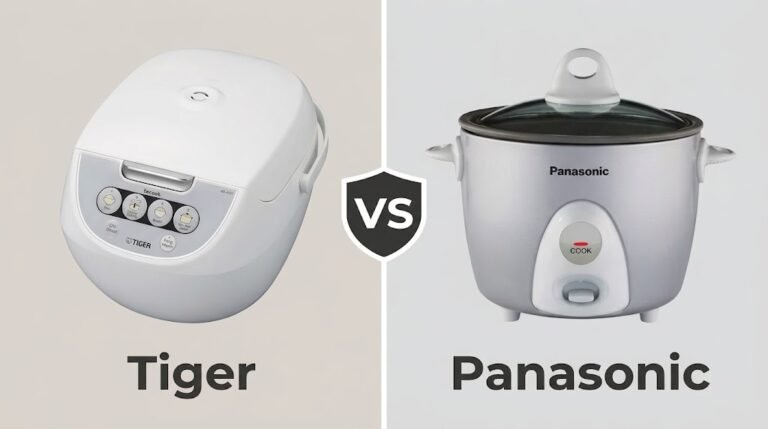
Tiger Micom Rice Cooker
This Japanese-made cooker sits in a similar mid-range to premium tier. It offers great grain separation and a handy plate that lets you steam active dishes while your white rice cooks below.
Ninja Foodi PossibleCooker
This multicooker combo rivals the Instant Pot with a non-stick inner pot and a wider sauté base. It is great for one-pot meals, but it takes up a massive amount of countertop space.
Hamilton Beach Digital Rice Cooker
For those on a strict budget, this simple cooker offers basic fuzzy logic settings. It is a solid choice for a small kitchen but lacks the durable build quality of a Zojirushi.
Who Should Buy Which?
To help you weigh the pros and cons, let’s break down which machine fits your daily cooking routine.
Buy the Instant Pot Duo if:
- You want a versatile multi-function cooker that can make stews, soups, and slow-cook meals.
- You have a limited budget and want the most features for your money.
- You are cooking for a family of four and need to prepare quick, one-pot dinners.
- You do not mind a slightly stickier, denser texture on your daily white rice.
Buy the Zojirushi Neuro Fuzzy if:
- You eat rice daily and care about perfect, fluffy texture and grain definition.
- You want the best rice cooker for brown rice, sushi rice, and steel-cut oats.
- You need a reliable keep-warm function that keeps leftovers fresh all day.
- You want a quiet machine with a small countertop footprint and easy cleanup.
Consider Neither If:
- You only make rice once a month and would prefer a cheap, one-touch basic cooker.
Long-Term Ownership Considerations
Owning these appliances means taking care of them so they perform consistently for years. For the Zojirushi, you must protect the non-stick coating by washing it with a soft sponge and never putting the inner pot in the dishwasher. Replacement pots are available online but can be expensive.
The Instant Pot has dishwasher-safe parts, making it easy to sanitize the stainless steel pot. However, the lid has more moving parts that require regular checks to keep the steam vent clear. Both use energy efficiently, but the Zojirushi’s low wattage means it draws very little power during its long keep-warm cycles.
Capacity and Energy Use: instant pot vs zojirushi rice cooker
Choosing the right capacity for your household size prevents wasted food and saves energy. In this instant pot vs zojirushi rice cooker comparison, capacity is measured differently. The Zojirushi holds 5.5 cups of uncooked rice, which yields about 11 cups of cooked rice. This is perfect for a family of four or for weekly meal prep.
The Instant Pot Duo has a 6-quart liquid capacity, which can easily cook up to 6 cups of uncooked rice. However, cooking small batches (like a single cup of rice) in the Instant Pot is difficult because the liquid can evaporate too fast before the machine pressurizes. The Zojirushi handles tiny single-cup batches just as perfectly as a full pot, making it much more flexible for solo dining or small couples.
Final Verdict
In the end, your choice between these two famous kitchen tools depends entirely on your cooking goals. If you want a versatile workhorse that can pressure cook a chuck roast, steam broccoli, and whip up quick weeknight dinners, the Instant Pot is the clear winner for your counter.
However, if you want flawless, restaurant-grade white rice and tender brown rice with zero effort, the Zojirushi is absolutely worth the investment. It makes better rice, cleans up in seconds, and keeps your food fresh and warm all day long.